






Andersen Quartz EV Charger Review 2026 | Design-Led Home Charging
Last updated: 28 April 2026
Andersen Quartz: The Design-Led EV Charger Built for British Homes
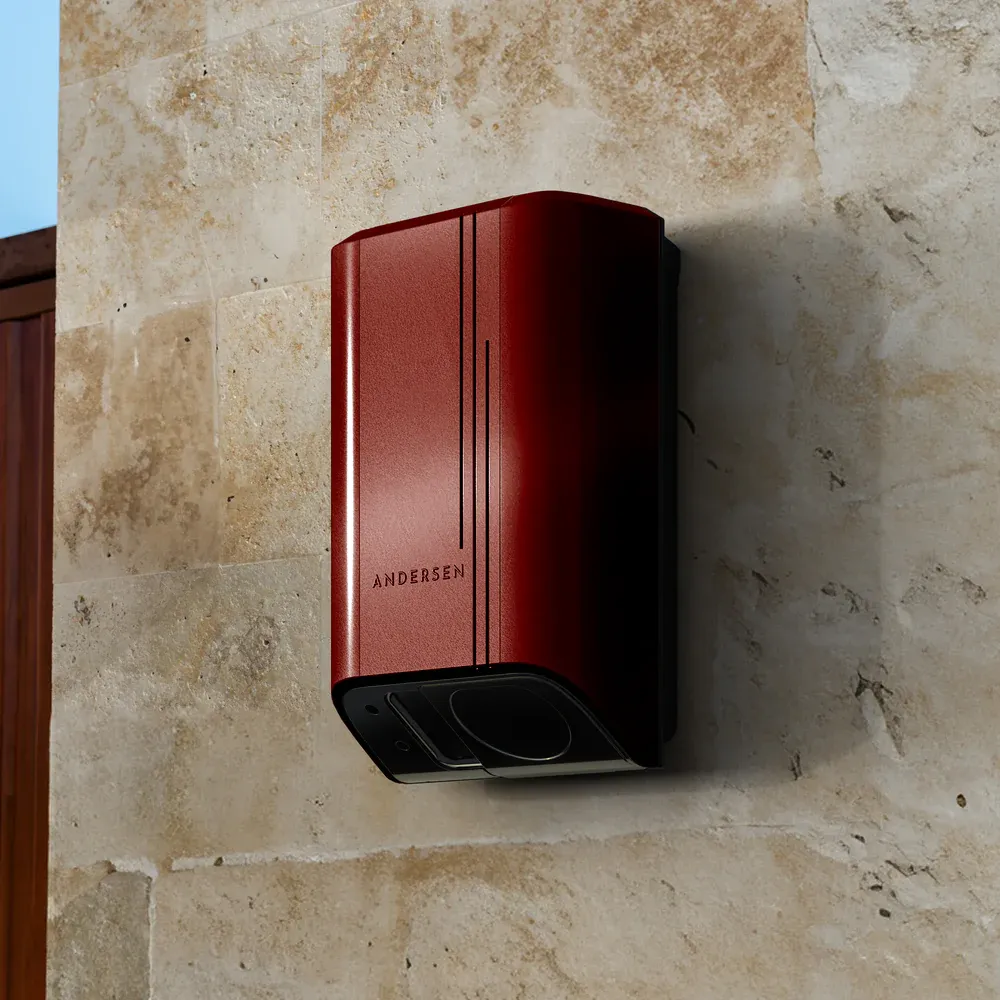
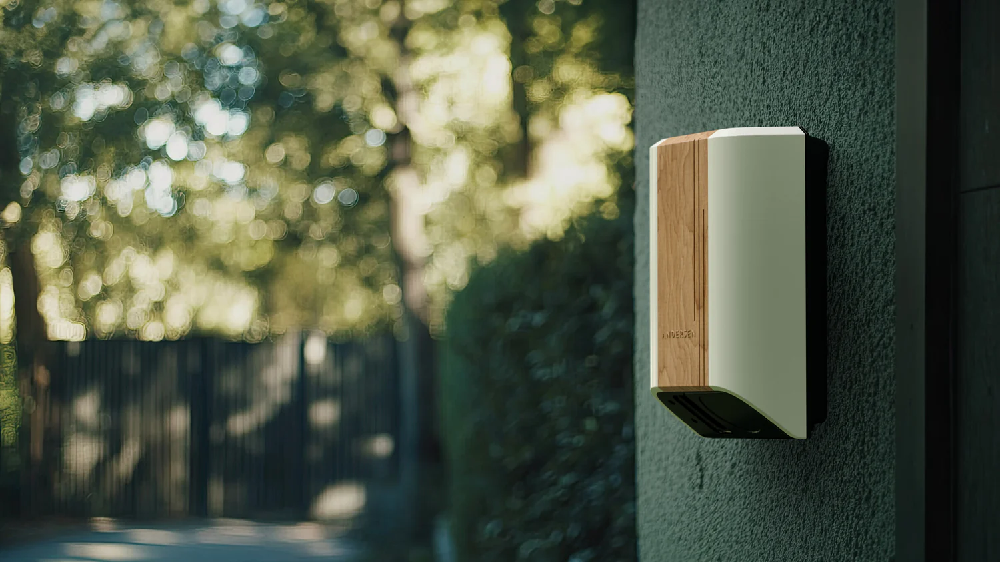
If you are looking for a home EV charger that feels more considered than a standard wallbox, the Andersen Quartz is worth a closer look. It is a premium, British-made charger range built for homeowners who care not only about charging performance, but also about how the charger looks on the property. For many buyers, that is the real appeal: Quartz is designed to sit neatly on the front or side of a house without looking like an afterthought.
On the current LAMPS range, the home-focused Quartz options centre on 7.4kW single-phase models in both tethered and untethered formats. That makes the range especially relevant to standard UK homes that want reliable overnight charging, app control, solar-ready features and a more premium finish than many mass-market chargers.
At LAMPS, you can compare the Andersen Quartz range, browse the wider Andersen brand page, or compare Quartz against other home EV chargers if you are still weighing up the shortlist.
What Is the Andersen Quartz?
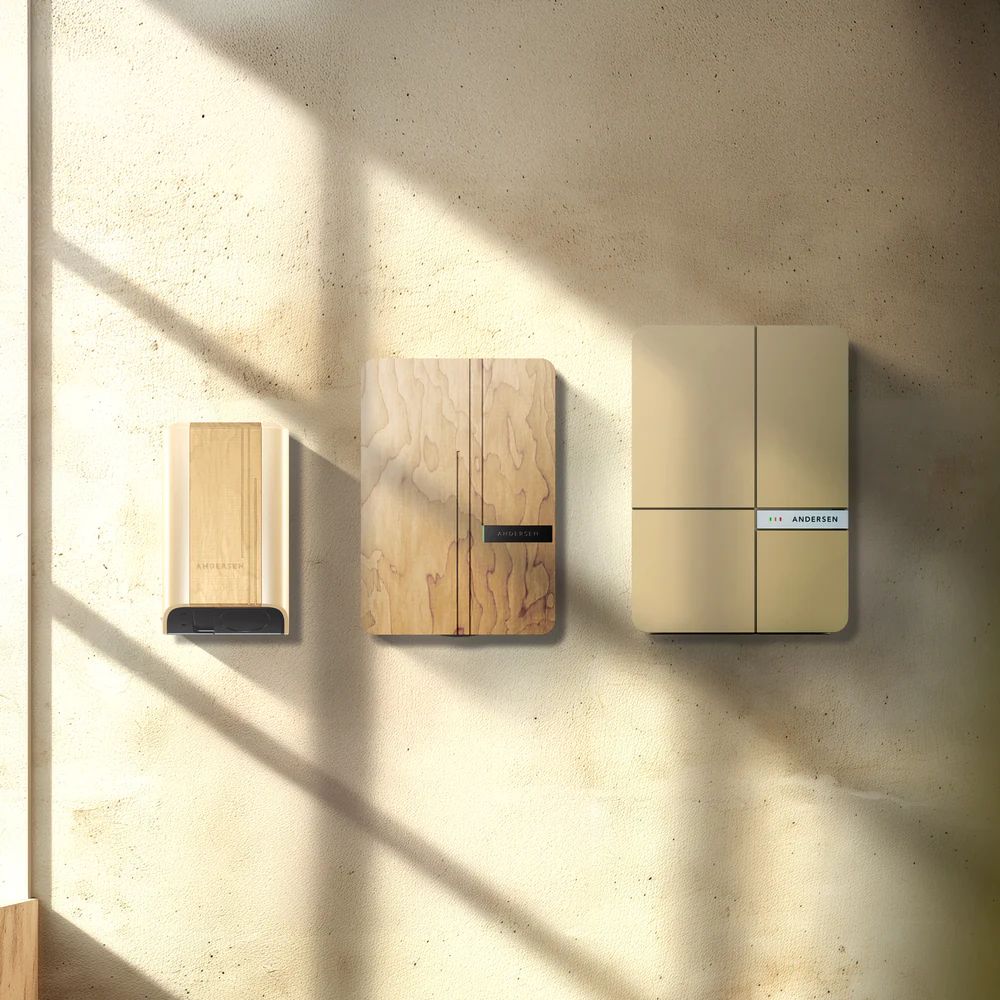
The Andersen Quartz is a premium home EV charger range designed and manufactured in Britain, with a stronger focus on aesthetics than most mainstream home chargers. In practical terms, that means a compact charger body, a more architectural finish, smarter cable presentation and features that are still relevant to everyday charging rather than being purely decorative.
For most homes, the current Quartz choice comes down to three main routes:
- Quartz 7.4kW untethered - ideal if you want the cleanest possible wall finish and prefer to use your own Type 2 cable.
- Quartz 7.4kW tethered with 5.5m cable - a good fit for straightforward driveway layouts and everyday convenience.
- Quartz 7.4kW tethered with 8.5m cable - worth considering if your parking setup needs more reach.
For most British homes, these are the versions that matter most. They match the standard single-phase domestic supply that most properties use and are built for the sort of overnight home charging routine most EV drivers actually need.
Why the Andersen Quartz Appeals to Homeowners
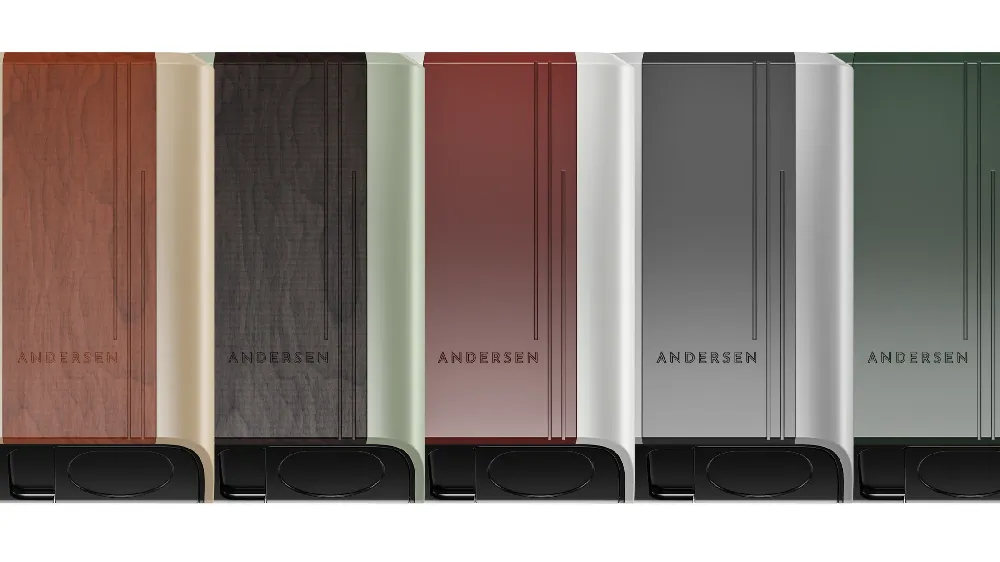
Many EV chargers are designed first around utility and only second around appearance. Andersen approaches the product the other way round without losing the practical side. That is why Quartz often appeals to buyers who have dismissed other chargers as too bulky, too plastic or too obvious on the wall.
The appeal usually comes down to four things:
- It looks more premium - Quartz is aimed at design-conscious homes, renovations and visible driveway installations.
- It is built in Britain - which matters to some buyers, especially where long-term support and product quality are part of the decision.
- It offers a cleaner finish - especially the untethered version, and the tethered versions with concealed cable storage.
- It still has the smart features buyers expect - app control, tariff scheduling, solar-ready functionality and dynamic load balancing.
This is not the cheapest charger in the category, and it is not trying to be. Quartz is aimed at buyers who are willing to pay more for a charger that suits the home better visually and still feels modern from a charging and energy-management point of view.
Smart Features That Matter in Real Use
The Andersen Quartz is not only about finishes. The current LAMPS product pages position it as a genuinely smart home charger, with features that matter day to day.
Across the home-focused Quartz models, key features include:
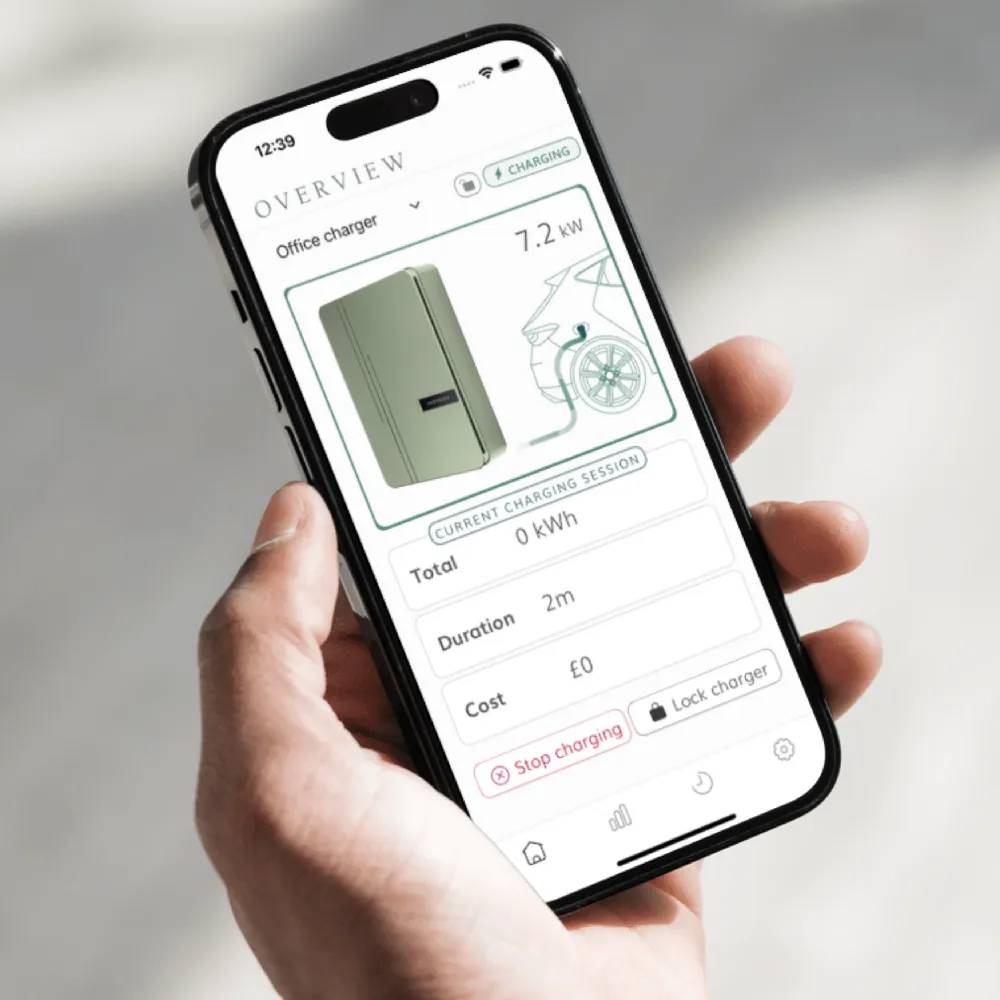
- App control for managing charging and scheduling sessions remotely
- WiFi and Ethernet connectivity, without needing a SIM card
- Dynamic load balancing to help protect the main fuse and manage household demand
- Built-in PEN fault protection, which simplifies installation and avoids the need for an earth rod
- Solar-ready charging features for homes with existing or planned solar PV
- Smart tariff scheduling for buyers charging around off-peak electricity rates
That combination is why Quartz sits in a different part of the market from a purely style-led product. It is still meant to work hard as a daily charger, not just look better than the alternatives.
Tethered or Untethered: Which Andersen Quartz Should You Choose?
This is the biggest practical decision for most buyers.
| Model type | May suit you if... | Best product link |
|---|---|---|
| Untethered 7.4kW | You want the cleanest look on the wall and prefer to use your own Type 2 lead only when charging. | Quartz 7.4kW untethered |
| Tethered 5.5m | You want quick everyday plug-in charging and your driveway layout is fairly straightforward. | Quartz 7.4kW tethered 5.5m |
| Tethered 8.5m | You need extra reach for a wider driveway, rear charging port or less convenient parking position. | Quartz 7.4kW tethered 8.5m |
The tethered models are especially attractive because the cable is stored much more neatly than on many fixed-cable chargers. That means you still get the convenience of a built-in lead without the usual visual clutter. For many households, that is the sweet spot: everyday ease without making the charger look messy.
Solar, Smart Tariffs and Future-Proofing
If you are planning around solar or off-peak charging, Quartz becomes more interesting. The current LAMPS product pages position Quartz as solar-ready and suitable for homes that want to make better use of rooftop PV rather than simply exporting everything back to the grid.
It is also designed to work well with smart tariff habits. If you are charging overnight and want to make more of cheap-rate electricity, the Andersen Quartz can be a good fit. That said, charger-tariff compatibility can change over time, so it is always worth checking the current guidance before you buy, especially if Intelligent Octopus Go is one of your main reasons for upgrading.
For some buyers, this is what justifies the higher spend. Quartz is not only something that looks good today. It is also a charger that can sit sensibly within a wider home energy setup over the next few years.
Built for British Weather and Everyday Use
A premium finish only matters if the charger holds up well outside. On this front, the current Quartz product pages are reassuring. The range is presented as weather-sealed to IP65, impact-resistant to IK10, and built around powder-coated aluminium and marine-grade fixings.
That matters because many Quartz installations will be on exposed front-facing walls, driveways and side passages rather than tucked away in a protected garage. If you are paying more for the charger, you want it to stay looking good as well as working properly.
It also helps that the built-in PEN protection simplifies installation. For many homes, that means less visual clutter and a cleaner finished job, which is exactly the sort of detail Quartz buyers tend to care about.
Is the Andersen Quartz the Best Home EV Charger for You?
The Andersen Quartz is usually a strong fit if:
- the charger will be highly visible on the property
- you care about a cleaner, more premium exterior finish
- you want a charger that works well with solar and smart tariff thinking
- you prefer a British-built, design-led alternative to more generic wallboxes
- you want a tethered charger without the usual cable mess
It may be less suitable if:
- your main priority is simply the lowest purchase price
- you want the most tariff-led, app-first charging experience and do not care about appearance
- you are mainly looking for a dedicated solar-first ecosystem, where another charger may deserve a side-by-side comparison
That is the fairest way to look at it. Quartz is an excellent charger in the right home, but it is best understood as a premium design-led home charger, not the automatic answer for every buyer.
What If You Need More Than a Standard 7.4kW Home Charger?
For most British homes, a 7.4kW single-phase charger is the relevant starting point, and that is where Quartz makes most sense. If you think you need faster 22kW charging, the first question is whether the property actually has a three-phase supply. Many homes do not.
If your project is larger, more specialist or edging into mixed home and workplace use, it is usually better to confirm the supply type first and then compare the wider commercial EV charger range or the broader Andersen range rather than assuming every Quartz variant will be the right fit.
Andersen Quartz FAQs
Is the Andersen Quartz compatible with all electric vehicles?
Yes, for normal UK home use it is compatible with EVs that use the Type 2 AC charging standard. The untethered version uses a Type 2 socket, while the tethered versions come with an integrated cable.
Can I use the Andersen Quartz with solar panels?
Yes. The current LAMPS Quartz pages present the charger as solar-ready and suitable for homes with existing or planned solar PV systems.
Does the Andersen Quartz work with Intelligent Octopus Go?
LAMPS’ current guide lists Andersen Quartz among the chargers that work with Intelligent Octopus Go. As with any smart tariff setup, it is sensible to check the latest compatibility before ordering because supported-device lists can change over time.
Do I need an earth rod for installation?
No, the current Quartz product pages state that built-in PEN fault protection removes the need for an external earth rod.
Which cable length should I choose?
The 5.5m tethered version suits many standard driveways. The 8.5m version is worth considering if the charger position is further from the car, the driveway is wide, or your vehicle has a less convenient charging-port location.
Why We Recommend the Andersen Quartz
We recommend the Andersen Quartz because it solves a problem that many home chargers ignore. It gives buyers a charger that looks properly considered on the property while still delivering the smart features most households now want. That combination is why it stands out.
For the right buyer, Quartz is not just another charger with a nicer front panel. It is a better fit for the sort of home where the details matter, where the charger is visible every day, and where future plans may include solar, off-peak tariff charging or a broader home energy setup.
If you want a premium home charger that feels built for British homes rather than borrowed from a commercial wallbox, the Andersen Quartz deserves a serious look.
Start with the Andersen Quartz range, compare it against the wider home EV charger category, or contact LAMPS if you want help deciding which model suits your property.
Related Advice: Tariffs, Installation and Charger Comparisons
If you are still deciding whether Quartz is the right fit, these guides are the best next step: