






Which Home EV Charger Is Best in 2026? Top UK Picks | LAMPS
Last updated: 28 April 2026
Which Home EV Charger Is Best in 2026? Here's Our Verdict
If you are asking which home EV charger is best in the UK, the honest answer is that there is no single winner for every property. The best charger depends on how and where you park, whether you want a tethered or untethered unit, how important smart tariff compatibility is, and whether you want to add solar charging now or later.
For many buyers, the shortlist comes down to a few clear routes. If you want a tidy untethered charger, the Easee One and Ohme ePod are strong starting points. If you want a more design-led charger, the Andersen Quartz stands out. If solar charging is high on your list, the myenergi Zappi range deserves a serious look.
At LAMPS, we supply a selected range of home EV chargers and help customers compare the options in a practical way. Rather than chasing a one-size-fits-all answer, this guide focuses on what actually matters when you are choosing a charger for your home in 2026.
For a neat untethered setup, start with the Easee One or Ohme ePod.
For tariff-led charging, many buyers start with Ohme.
For a premium design-led finish, look at the Andersen Quartz range.
For solar-friendly charging, compare the Zappi range.
/Andersen Quartz.png)
What to Consider Before Choosing a Home EV Charger
Before comparing brands, it helps to think about the day-to-day use of the charger. A home charger is not just a product decision. It is also about how the charger will fit the driveway, the parking position, your tariff, and any future home energy upgrades.
Tethered or untethered?
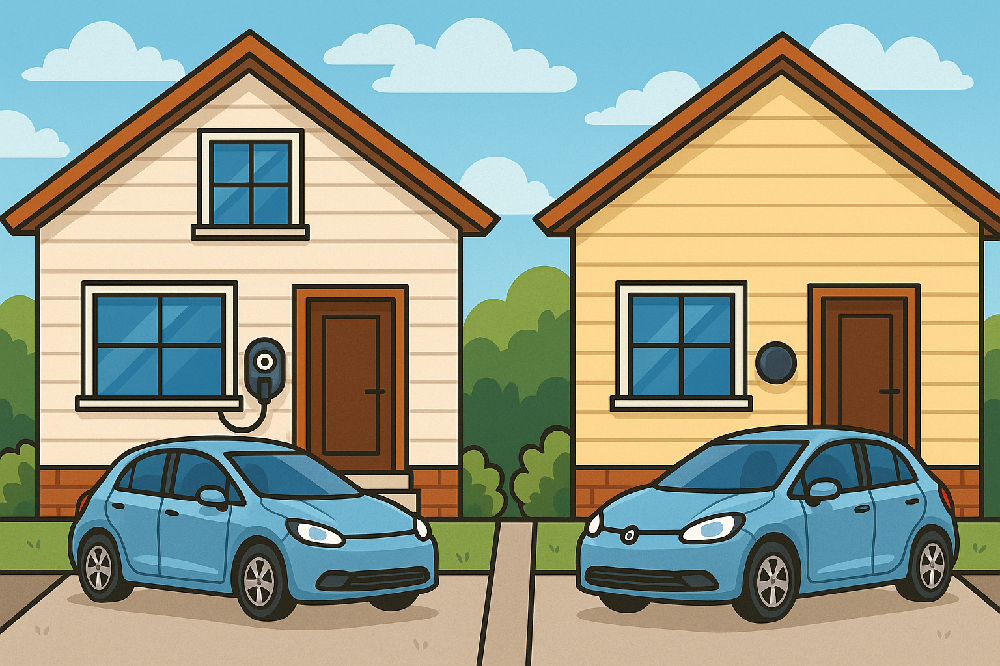
A tethered charger has a fixed cable attached, which makes everyday charging feel quicker and simpler. A car pulls in, the cable is already there, and you plug in. An untethered charger uses a separate cable, which often gives a tidier look on the wall and more flexibility if you want to choose a different cable length or change vehicle later.
Smart tariff compatibility
If you are charging around overnight rates or a smart tariff, compatibility matters. Some chargers work more closely with tariff platforms than others, while some rely more on manual scheduling or vehicle-based control. That is why it is worth checking the current position before you buy, especially if Intelligent Octopus Go compatibility is high on your list.
Solar charging
More buyers now want their charger to work well with rooftop solar. In some cases, that means choosing a charger with built-in solar-friendly modes. In others, it means pairing the charger with an extra monitoring device or energy management component. If solar is likely to become part of the setup, it makes sense to think about that now rather than retrofit around it later.
Cable length and parking layout
Do not underestimate cable reach. The right charger on paper can still be awkward if the wall position is further from the car than expected. This is one reason many buyers compare tethered cable lengths carefully, or prefer an untethered socketed charger where cable choice is more flexible.
Installation cost
For many homeowners, the final decision is not just about the charger itself but the total installed cost. A straightforward home charger installation is often more affordable than people expect, but longer cable runs, consumer unit work or extra protection can still affect the final price. For current budgeting, see our EV charger installation cost guide.
Our Verdict at a Glance
| Charger | Style | Often best for | Link |
|---|---|---|---|
| Easee One | 7.4kW untethered smart charger | Buyers who want a compact untethered charger and a clean wall finish | View product |
| Ohme ePod | 7.4kW untethered smart charger | Tariff-focused buyers who still want a tidy untethered look | View product |
| Andersen Quartz | Premium design-led range | Homes where appearance, finish and cable presentation matter | View range |
| myenergi Zappi | Tethered and untethered smart range | Homes that want stronger solar-focused charging options | View range |
Easee One: Best for a Neat Untethered Setup
The Easee One is one of the strongest options for buyers who want an untethered charger that looks discreet on the wall. Because it uses a Type 2 socket instead of a fixed cable, the setup stays tidier when you are not charging and you can choose the cable length that suits the parking layout.
That makes it a good fit for homes where appearance matters, or where the cable route to the car is slightly awkward and flexibility helps. Easee also appeals to buyers who want app control and the option to expand later with related accessories.
It is worth knowing, though, that Easee is not currently the simplest route if full direct Intelligent Octopus Go control is your top priority. If you are mainly looking for tariff-first charging, another charger may be a better starting point. If you are happy with manual scheduling or vehicle-led smart control, Easee still deserves a place on the shortlist.
/Easee One Charger.jpg)
Ohme ePod: Best for Tariff-Led Charging
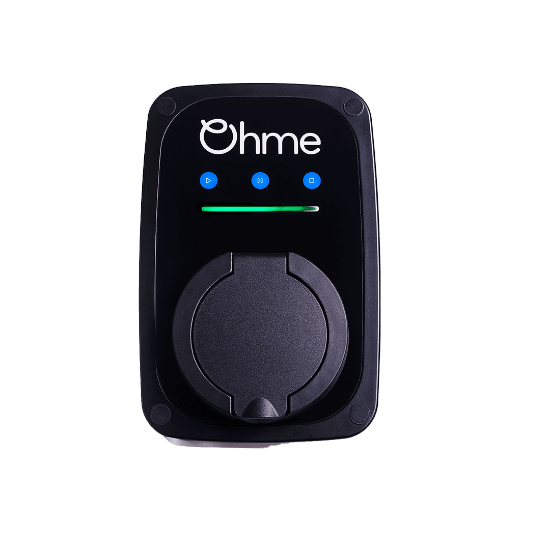
The Ohme ePod is often the clearest starting point for buyers who care most about smart tariff charging. It is compact, untethered and focused on app-led control, but its biggest appeal is usually how it fits into smart charging routines rather than how it looks on the wall.
That makes it especially attractive to households that want to reduce running costs with as little daily effort as possible. If the main goal is to plug in, set a ready-by time and let the software do the hard work, Ohme is often one of the easiest routes to compare.
It is also worth noting that Ohme is no longer only a tariff-first brand. Current setups can also support solar charging features in eligible installations, which gives the ePod broader appeal than older guides sometimes suggest.
Andersen Quartz: Best for Design-Led Homes
If looks matter as much as charging performance, the Andersen Quartz range stands out. It is aimed at buyers who do not want their charger to feel like a generic utility box fixed to the front or side of the house.
Quartz is a better fit for design-conscious homes, architectural projects and buyers who are happy to invest more to get a charger that feels more considered visually. That is often the deciding factor rather than raw charging speed, since many domestic chargers sit in the same general 7kW class.
It is also one of the stronger current options if you want a more premium charger that still works well with solar and smart tariff thinking. In other words, Quartz is not only about appearance. It is about combining design with a broader home energy setup.
myenergi Zappi: Best if Solar Charging Is a Priority
For many solar households, the myenergi Zappi range remains one of the most relevant places to start. Zappi has long been associated with solar-aware home charging, and it still makes sense for buyers who want their EV charger to play a more active role in using on-site generation.
That does not mean Zappi is only for homes that already have solar panels. It can still work as a smart home charger in a more standard setup. But if you are trying to future-proof for rooftop solar, or already have PV and want a charger built with that in mind, Zappi is usually one of the first ranges worth comparing.
It is also available in more than one format, which makes it easier to compare tethered and untethered routes within the same broader charger family.
Installation: What You Need to Know
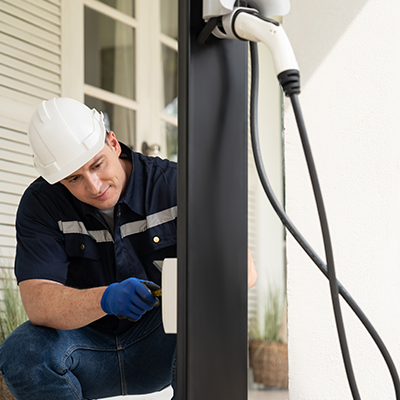
Once you have chosen a charger, the next step is installation. For most homes, the process is straightforward, but the final price and complexity still depend on the details of the property.
An installer will usually look at the distance from the consumer unit, the charger position, cable route, earthing arrangement, and whether extra protective equipment or load management is needed. That is why a standard install can stay relatively simple for one house and become more involved for another.
If you are comparing products as well as installation costs, it helps to think about both at the same time. Some buyers focus only on the charger and then realise later that a different cable arrangement or charger format would have made the installation easier.
To explore location-based help or next steps, see EV charger installation locations or contact LAMPS.
Solar Integration and Future-Proofing
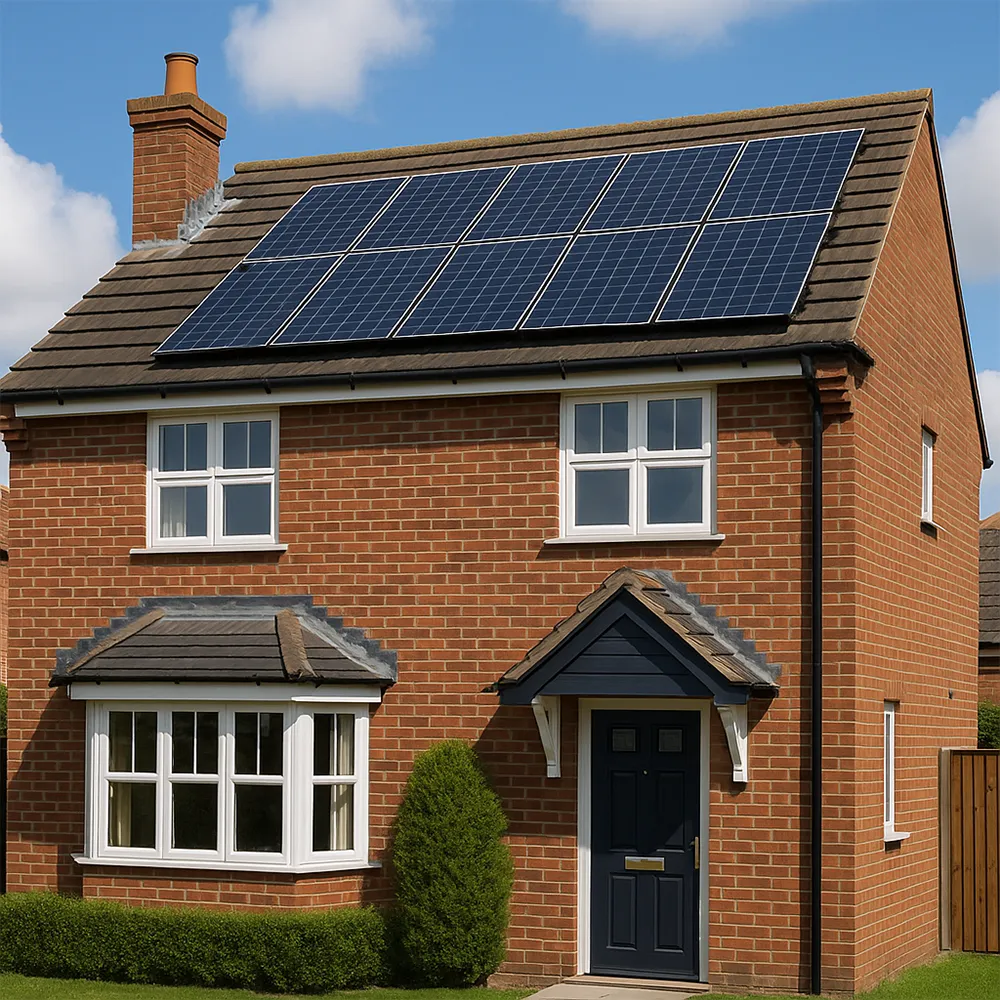
If you already have solar panels, or think you may add them later, it is worth thinking about that before choosing the charger. Some chargers are more obviously solar-friendly than others, and some rely on an extra device or a wider energy ecosystem rather than solar functionality being built into the charger alone.
That is why the “best” charger can change depending on the home. For a standard non-solar property, an easy tariff-led charger may be the stronger choice. For a home with rooftop PV, the balance may shift towards a solar-aware charger or one that is designed to work cleanly with a broader home energy setup.
Future-proofing is not only about solar, either. It can also mean choosing a charger format that still makes sense if the household changes car, adds a second EV, or wants better integration with time-of-use charging later on.
What About Grants in 2026?
This is one area where older guides can be misleading. In April 2026, government support still exists, but it is more targeted than many homeowners expect. That means most owner-occupiers should assume they will be paying for the charger and installation themselves, while some renters, flat owners, households with on-street parking and eligible landlords may still be able to access grant support depending on their circumstances.
If you are not sure whether any support still applies to you, it is best to check the current rules before ordering. A useful starting point is our guide on installing an EV charger in a rented home.
Common EV Charger Questions
Which EV charger is best for home use?
There is no single best charger for every home. For many buyers, the decision comes down to whether they want untethered flexibility, stronger smart tariff integration, design-led aesthetics or solar-friendly charging.
Is a tethered or untethered charger better?
A tethered charger is usually more convenient for everyday plug-in charging. An untethered charger can look tidier when not in use and gives you more freedom over cable choice.
Can I use a home EV charger outside?
Yes. Modern home EV chargers are designed for outdoor installation when fitted properly by a qualified installer. The right position, cable route and installation method still matter, but outdoor use is normal.
Which charger is best for solar panels?
If solar charging is a major priority, Zappi is one of the most common starting points. Some other chargers can also work well with solar, either through built-in features or by pairing with compatible monitoring or energy management devices.
Which charger is best for Intelligent Octopus Go?
If full direct integration is the main priority, start with the current compatibility picture rather than an older blog post. Our up-to-date guide to what EV chargers work with Intelligent Octopus Go is the best place to begin.
Why Buy Your Home EV Charger from LAMPS?
LAMPS is not trying to overwhelm buyers with every charger on the market. We focus on a practical range of home EV chargers and related products, including Easee, Ohme, Andersen, myenergi and other well-known EV charging brands.
That means you can compare chargers in the context of the wider system rather than treating the wallbox as a standalone purchase. We also supply related installation products such as EV cabling, EV circuit protection and charger posts where they are needed.
If you are still narrowing down the shortlist, browse home EV chargers, compare Ohme ePod vs Ohme Home Pro, or contact LAMPS for help.