






Best Home EV Chargers UK 2026 | Top Smart Chargers Reviewed | LAMPS
Last updated: 28 April 2026
Shortcut: Jump to top picks at a glance, Ohme, Zappi GLO, Andersen Quartz, Hypervolt, Easee One, or Rolec EVO.
Best Home EV Chargers UK 2026: Top Smart Chargers Reviewed
If you are trying to work out which home EV charger is best in the UK, the honest answer is that there is no single best charger for every property. The right choice depends on how you park, whether you want a tethered or untethered charger, how important smart tariff compatibility is, and whether you want to use solar power for charging now or later.
For most homes, a 7kW or 7.4kW charger is still the right starting point. That is the normal fit for a UK single-phase domestic supply and works well for overnight charging. From there, the real comparison is between charger style, smart features, solar behaviour, app quality and everyday convenience.
At LAMPS, the shortlist for many buyers starts with Ohme, myenergi Zappi, Andersen Quartz, Hypervolt, Easee and Rolec EVO. This guide compares them in practical terms, so you can narrow the shortlist without getting buried in specifications.
For most homes, start with Ohme Home Pro.
For the cleanest untethered smart-tariff setup, look at Ohme ePod.
For solar-first charging, compare Zappi GLO and the wider Zappi range.
For design-led installs, look at Andersen Quartz.
For a strong all-round tethered option, compare Hypervolt Home 3 Pro.
For compact untethered charging, look at Easee One.
For a more value-led untethered option, compare Rolec EVO.
Top Picks at a Glance
| Charger | Tariff compatibility | Solar features | Cable style | Best for |
|---|---|---|---|---|
| Ohme ePod / Home Pro | Strong smart-tariff integration | Solar Boost support | ePod untethered / Home Pro tethered | Tariff-led home charging |
| myenergi Zappi GLO | Works well with smart scheduling | Strong solar-aware charging | GLO tethered | Solar homes |
| Andersen Quartz | Strong smart-tariff support | Solar-ready | Tethered or untethered | Premium design-led installs |
| Hypervolt Home 3 Pro | Strong app-led smart scheduling | Solar-aware modes | Tethered | Best all-round tethered option |
| Easee One | Manual scheduling or vehicle-led control | Via Easee Equalizer | Untethered | Compact, tidy installs |
| Rolec EVO | Scheduled off-peak charging | Solar-ready | Untethered | Value-led charging |
What Makes a Good Home EV Charger in 2026?
The best home EV charger is rarely the one with the longest list of features. In real-world use, a few questions matter more than anything else. Do you want a tethered or untethered unit? Are you charging mainly around smart tariffs? Do you already have solar panels, or plan to add them later? Will the charger be highly visible on the front or side of the house?
7kW vs 22kW
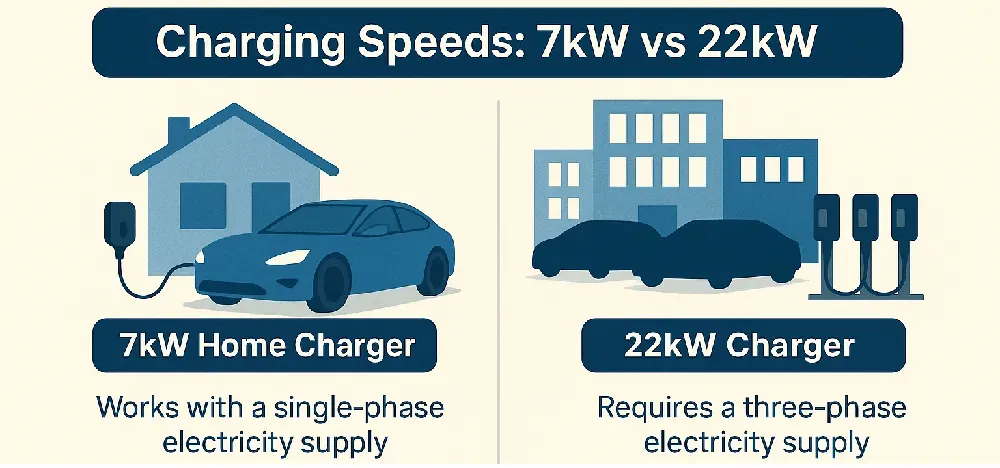
For most homes, a 7kW or 7.4kW charger is the right fit. It works well with a standard single-phase supply and is usually more than enough for overnight home charging. A 22kW charger is a different conversation and is usually more relevant to three-phase properties and commercial settings than to a typical house. If you are genuinely shopping for a workplace or multi-vehicle site, start with commercial EV chargers.
Tethered vs untethered
A tethered charger has a fixed cable attached, which makes daily charging more convenient. A untethered charger uses a separate lead, which often gives a tidier look on the wall and more freedom over cable length and replacement. A tethered charger is usually best for drivers who charge in the same place every day. An untethered charger suits homes where appearance matters more or where flexibility over cable choice is useful.
Smart tariff compatibility
If low overnight charging costs are one of the main reasons you are installing a charger, tariff compatibility matters. Some chargers now integrate more directly with smart tariffs and the Octopus app. Others are still perfectly usable, but rely more on manual schedules or the vehicle’s own timers. That difference matters in real day-to-day use.
Solar charging
Solar charging can mean very different things depending on the charger. Some chargers are built to make active use of surplus solar. Others are better described as solar-ready, meaning they can work around solar generation with the right settings or accessories. If solar is important, it is worth deciding early whether you want true solar-aware charging or just a charger that can fit into a broader home energy setup.
Installation cost
It is also worth thinking about installation cost while you compare chargers. For many homes, a straightforward domestic installation is still reasonably achievable, but the final price depends on the cable route, charger position and whether any extra electrical work is needed. For a current guide, start with EV charger installation costs.
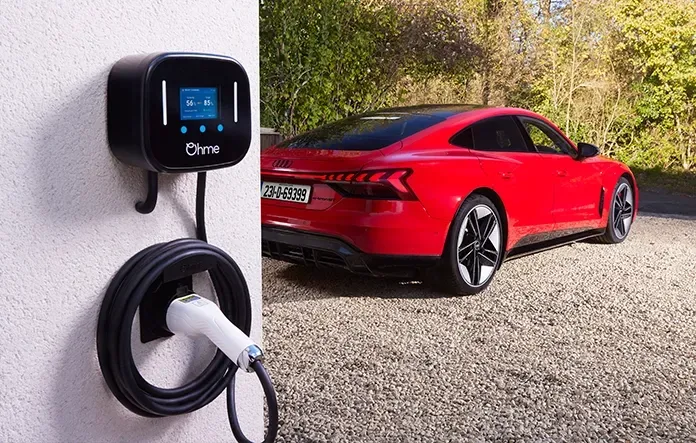
Ohme ePod and Home Pro: Best for Smart Tariffs
If smart tariff charging is your biggest priority, Ohme is still one of the clearest places to start. That is because Ohme is built around low-cost, app-led, tariff-aware charging rather than treating off-peak charging as an afterthought.
Why Ohme stands out
The real attraction is simple: Ohme is designed to help you plug in, set a ready-by time and let the charger work around the cheapest charging periods. For many drivers, that is the easiest route into smart home charging without constant manual timer changes.
Ohme ePod vs Ohme Home Pro
- Ohme ePod: a compact untethered charger with a tidier wallbox look and the same broader Ohme charging platform.
- Ohme Home Pro 5m: the strongest all-round choice for many homes, with a fixed cable and on-unit screen.
- Ohme Home Pro 8m: the same broader charger route, but better if your driveway or parking layout needs more reach.
Who should choose Ohme?
Choose Ohme if your main goal is to charge more cheaply with as little effort as possible. It is especially well suited to buyers who care more about smart tariff behaviour and ease of use than having the most design-led charger on the wall.
Pros and cons
- Pros: strong tariff integration, Solar Boost support, built-in mobile connectivity, and a good choice of tethered or untethered formats.
- Cons: less design-led than premium aesthetic chargers, and some buyers may prefer a more architectural finish.
Still deciding between the two? Read Ohme ePod vs Ohme Home Pro.
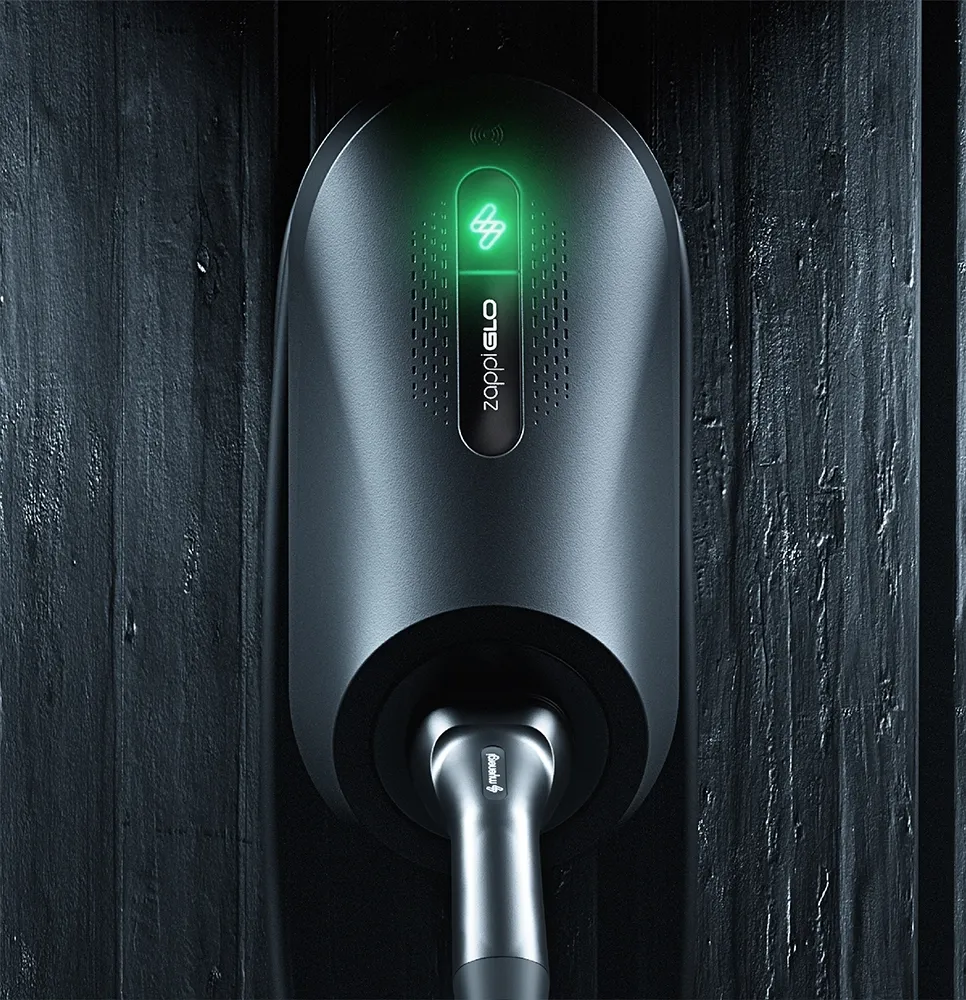
myenergi Zappi GLO: Best for Solar Homes
If you have solar panels, or know solar charging is high on your list, the myenergi Zappi GLO is one of the strongest chargers to compare. Zappi has long been associated with solar-aware charging, and GLO keeps that focus in a cleaner, more modern-looking product.
Why Zappi GLO stands out
Zappi is often the charger buyers look at when they want the EV charger to make active use of home solar rather than simply coexist with it. It is a particularly strong option for homes that want charging to feel part of a wider renewable energy setup rather than a separate purchase.
What to know about the range
The Zappi GLO is the more premium, tethered screen-free format, while the wider myenergi Zappi range also includes standard tethered and untethered versions. If you know you want a myenergi charger but are not yet sure about cable style, it is worth comparing the broader range as well as GLO.
Who should choose Zappi GLO?
Choose Zappi GLO if solar charging is one of the main reasons you are installing a charger. It also suits homes that want app-led charging, a compact premium finish and a charger that still works well with tariff scheduling.
Pros and cons
- Pros: strong solar-aware charging, good fit for solar households, useful for shared driveways thanks to RFID access.
- Cons: GLO is not the cheapest route into the myenergi ecosystem, and not every buyer needs its solar-first focus.
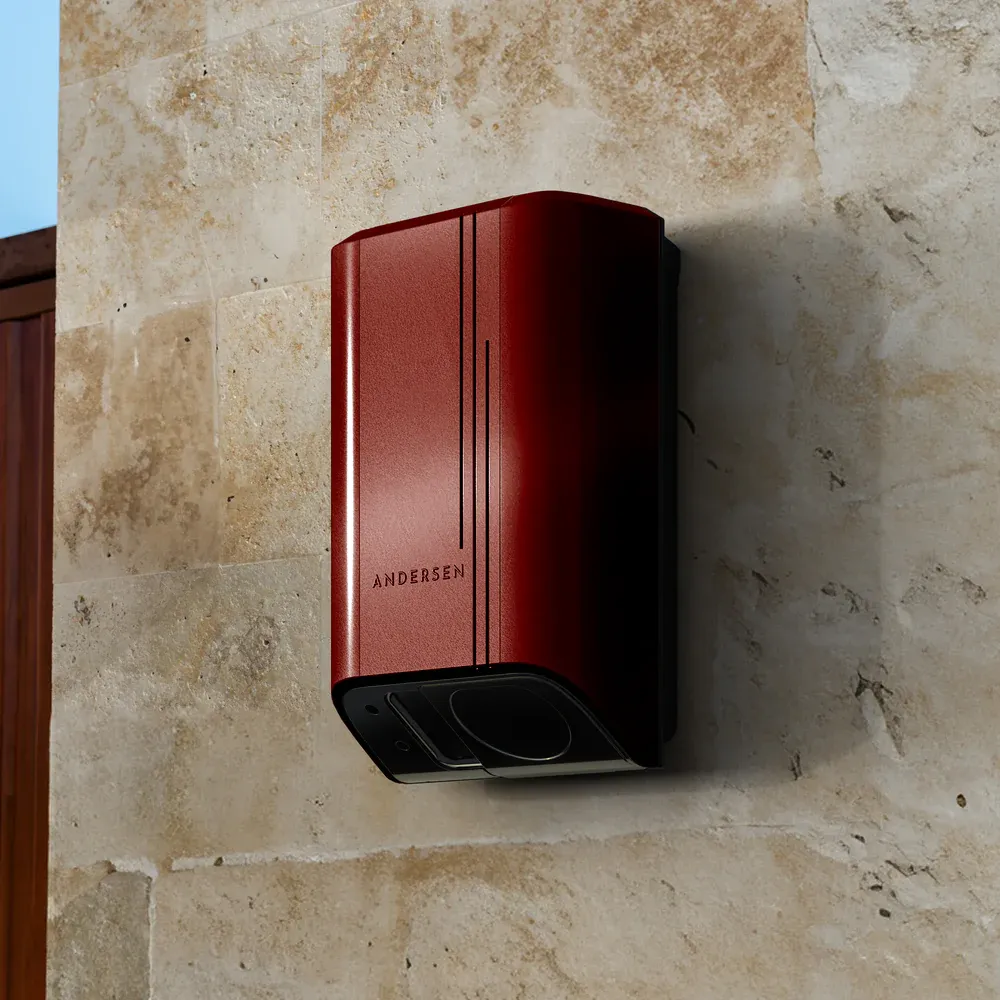
Andersen Quartz: Best for Design-Led Homes
The Andersen Quartz is the charger to look at if appearance matters almost as much as charging performance. It is a premium, British-made range built for homes where the charger is going to be visible and where a generic wallbox would feel like the wrong fit.
Why Andersen Quartz stands out
The main attraction is that Quartz feels designed for the property rather than bolted on afterwards. It suits buyers who care about kerb appeal, cleaner finishes and a more architectural look on the wall.
Quartz models to compare
Who should choose Andersen Quartz?
Choose Quartz if you want a design-led charger that still works well with smart tariffs and solar-ready thinking, but you are happy to pay more for a cleaner, more premium result.
Pros and cons
- Pros: premium finish, strong kerb appeal, tethered and untethered options, and a better fit for visible installations.
- Cons: higher upfront spend than more value-led home chargers.
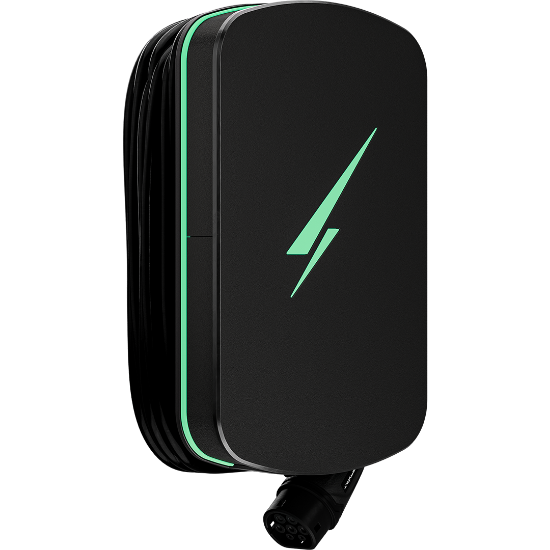
Hypervolt Home 3 Pro: Best All-Round Tethered Charger
The Hypervolt Home 3 Pro is one of the strongest all-round tethered chargers in the current LAMPS range. It combines a polished app experience, solar-aware charging modes and a choice of cable lengths that makes it useful on awkward driveways as well as straightforward ones.
Why Hypervolt stands out
Hypervolt appeals to buyers who want a charger that does a lot well rather than dominating one single niche. It suits homes that want strong app-led control, a fixed cable and a charger that feels straightforward to use every day.
Versions worth comparing
- Hypervolt Home 3 Pro 5m Space Grey
- Hypervolt Home 3 Pro 7.5m Space Grey
- Hypervolt Home 3 Pro 10m Space Grey
Who should choose Hypervolt?
Choose Hypervolt if you want a strong all-round tethered charger and know that cable reach, driveway layout or app-led control will matter to the final decision. It is a very sensible middle ground between pure tariff-first chargers and premium design-led chargers.
Pros and cons
- Pros: strong app, multiple cable lengths, solar-aware modes, and a well-rounded feature set.
- Cons: tethered only, so it will not suit buyers who want the cleanest untethered wall finish.
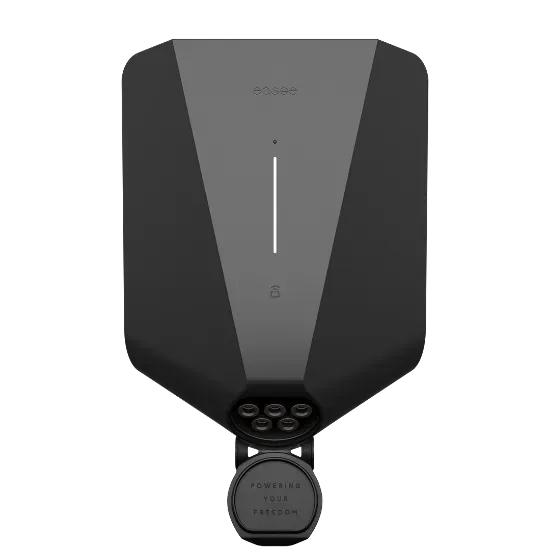
Easee One: Best Compact Untethered Charger
The Easee One remains one of the most attractive choices for buyers who want a compact untethered charger. It is discreet, neat on the wall and often easier to live with visually than a larger fixed-cable unit.
Why Easee still deserves a place on the shortlist
The main attraction is flexibility. Because the charger is untethered, the wallbox stays cleaner-looking when not in use and you can choose the cable that suits the parking layout. Easee also supports future expansion with the Easee Equalizer, which is the route to wider load balancing and solar-aware support.
Who should choose Easee One?
Choose Easee if you want a neat untethered charger with built-in connectivity and app control, and you are happy to use manual scheduling or vehicle-led smart charging rather than relying on the charger itself for the deepest tariff integration.
Pros and cons
- Pros: compact, tidy, untethered, flexible cable choice, and good potential for future Equalizer-based expansion.
- Cons: better suited to manual or vehicle-led charging routines than to buyers who want the easiest direct smart-tariff integration.
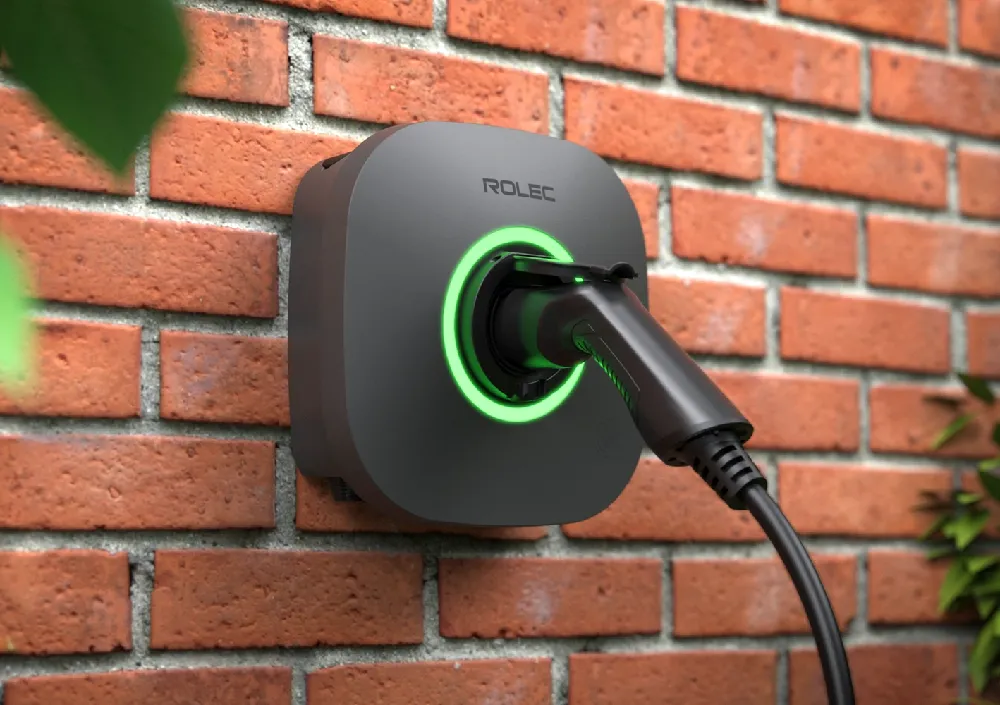
Rolec EVO: Best Value-Led Smart Charger
The Rolec EVO is worth comparing if you want a more straightforward smart charger without paying for the most design-led or most feature-heavy option in the category.
Why Rolec EVO is still worth considering
It focuses on the basics: untethered charging, app-led control, scheduled off-peak charging and a more accessible entry point than many premium brands. It is a practical option for first-time EV owners or households that want smart home charging without stretching the budget too far.
Who should choose Rolec EVO?
Choose Rolec EVO if you want an untethered charger with sensible scheduling, dynamic load balancing included and a more value-led route into smart home charging.
Pros and cons
- Pros: value-led, untethered, practical scheduled charging, solar-ready support and included load balancing hardware.
- Cons: fewer premium touches and less direct tariff integration than the strongest tariff-first chargers.
Which Home EV Charger Is Right for You?
Here is the practical version:
- Choose Ohme Home Pro if you want the best all-round charger for most homes.
- Choose Ohme ePod if you want a cleaner untethered charger with strong tariff-led charging.
- Choose Zappi GLO if solar charging is one of the main reasons you are upgrading.
- Choose Andersen Quartz if design and finish matter most.
- Choose Hypervolt Home 3 Pro if you want a strong all-round tethered charger.
- Choose Easee One if you want a compact untethered wallbox with a tidy finish.
- Choose Rolec EVO if you want a more value-led untethered option.
If two of these sound right, the final decision usually comes down to cable style, driveway layout, tariff compatibility and whether solar is the bigger priority.
Installation, Grants and Next Steps
Once you have narrowed down the charger, it helps to think about installation at the same time. The cable route, the position of the consumer unit, the parking layout and whether you need extra load balancing equipment can all influence the final cost and even the best charger format.
Most owner-occupiers should also assume they will be funding the charger and installation themselves, while more targeted support may still apply in some other situations. If you live in a rented property, start with the rented home guide. For broader help, see EV charger installation or contact LAMPS.
Frequently Asked Questions
What is the best home EV charger in the UK?
There is no single best charger for every home. For many households, the right charger depends on whether smart tariff automation, solar charging, design, cable style or driveway layout matters most.
Which charger is best for smart tariffs?
If smart-tariff charging is the main priority, Ohme is one of the strongest places to start. A useful next step is What EV chargers work with Intelligent Octopus Go?
Which charger is best for solar panels?
If solar charging is the priority, Zappi GLO and the wider Zappi range are some of the strongest starting points. Some other chargers are also solar-ready, but they do not all approach solar charging in the same way.
Is tethered or untethered better?
A tethered charger is usually more convenient for everyday charging. An untethered charger can look tidier on the wall and gives you more flexibility over cable length and replacement.
How much does it cost to install a home EV charger?
For a straightforward installation, a practical working budget often starts around £800 to £1,300 all-in, although more complex jobs can cost more.