






Best EV Chargers UK 2026 | Top Home EV Chargers Compared | LAMPS
Last updated: 28 April 2026
Best EV Chargers UK 2026: Top Home EV Chargers Compared
If you are asking which is the best EV charger for home use in the UK, the honest answer is that it depends on what matters most to you. Some drivers want the neatest-looking charger on the wall. Others care more about app control, smart tariff support, cable length or whether the charger is tethered or untethered. The best charger is the one that fits your property, your car and the way you actually charge day to day.
For most UK homes, a 7kW or 7.4kW home EV charger is the normal starting point. That is the right level for the majority of domestic properties and overnight charging routines. From there, the decision usually comes down to charger style, smart features, design, and how much flexibility you want over the cable and future vehicle changes.
At LAMPS, the shortlist for many homeowners starts with brands such as Easee, Ohme, Andersen, Hypervolt and myenergi Zappi. Each has its own strengths, and the right choice depends less on hype and more on how you want the charger to work at home.
If you want a simple untethered charger, start with the Easee One or Ohme ePod.
If you want a tethered charger, look at the Ohme Home Pro, Hypervolt Home 3 Pro and Andersen A3.
If you want a wider myenergi option set, compare the Zappi tethered, Zappi untethered and Zappi GLO.
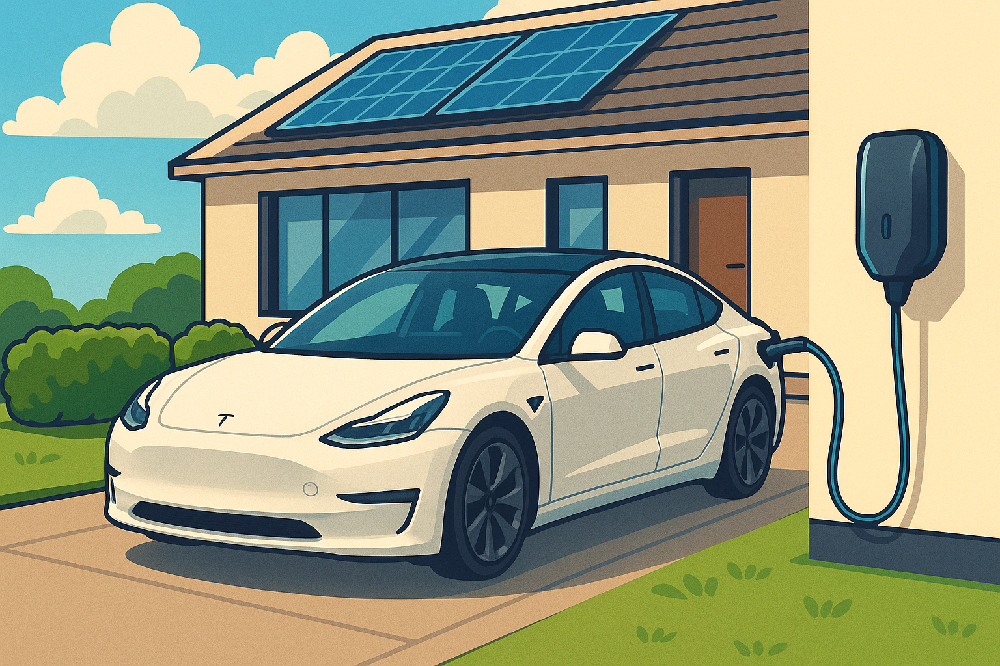
What Makes the Best Home EV Charger?
The best home EV charger is usually the one that gets the basics right first. Before comparing finishes and apps, it helps to think about where the charger will be installed, how far it is from the car, whether more than one EV might use it in future, and whether you prefer the convenience of a fixed cable or a cleaner untethered look.
1. Charging speed
Most UK homeowners should start by looking at 7kW or 7.4kW chargers. These are the standard choice for single-phase homes and are suitable for the majority of overnight charging routines. If you see a 22kW option, that is usually more relevant to three-phase properties and commercial settings than to a typical house.
2. Tethered vs untethered
This is one of the biggest practical decisions. A tethered charger has the cable attached to the unit, which makes day-to-day charging simpler. You park, plug in and start charging. An untethered charger uses a separate cable, which can look tidier when not in use and may suit households that prefer a cleaner wall finish or want more flexibility over the cable they use.
Tethered chargers often suit drivers who charge in the same place every day and want the least fuss. Untethered chargers are often chosen by buyers who prefer a more discreet look or already have a suitable cable.
3. Smart features
Most buyers now want more than basic charging. App control, scheduling, usage tracking and load management are high on the list, especially for households trying to charge more cheaply overnight or make smarter use of home electricity. If smart charging matters to you, focus on chargers with a clear app experience and easy scheduling rather than just comparing the unit itself.
4. Cable length and parking layout
Do not overlook cable length. A charger can look perfect on paper and still be awkward in practice if the car parks further away than expected. This is one reason models such as the Hypervolt Home 3 Pro 5m, Hypervolt Home 3 Pro 7.5m, Hypervolt Home 3 Pro 10m, and Ohme Home Pro 8m are worth considering if your driveway layout needs more reach.
5. Design and finish
For some homes, especially where the charger will be visible from the front of the property, aesthetics matter. If design is high on your list, the finish, cable management and overall visual impact can be just as important as the core charging spec.
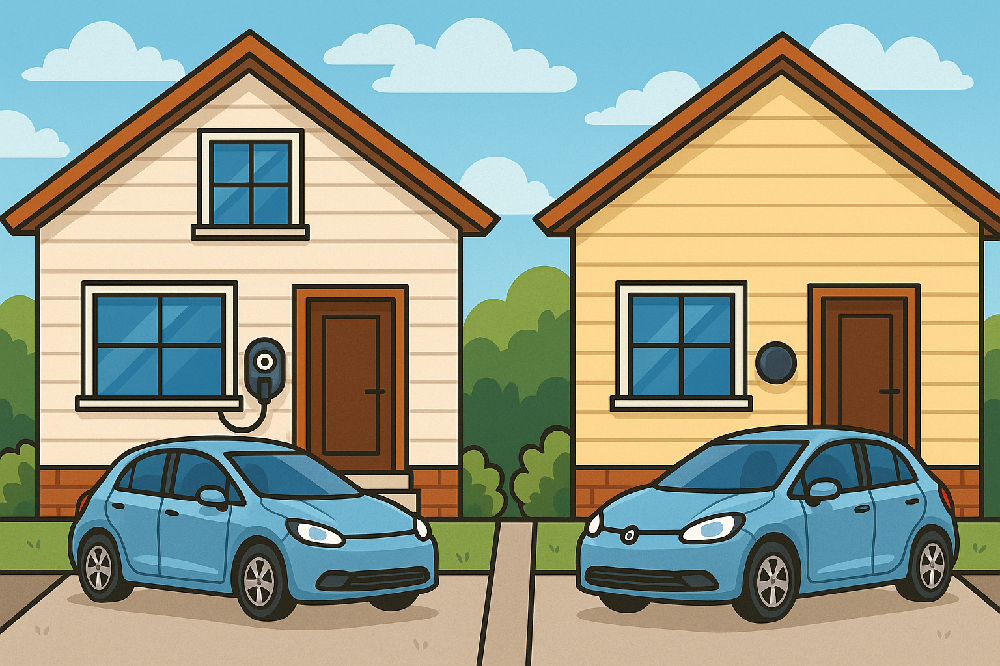
Best Home EV Chargers at a Glance
| Charger | Style | Best for | Link |
|---|---|---|---|
| Easee One | 7.4kW untethered smart charger | Buyers who want a compact untethered option | View product |
| Andersen A3 | 7kW tethered smart charger | Design-led homes wanting a more premium look | View product |
| Ohme ePod | 7.4kW untethered smart charger | Homes that want a simple untethered charger | View product |
| Ohme Home Pro | 7.4kW tethered smart charger | Drivers who want a fixed cable and straightforward home use | View product |
| Hypervolt Home 3 Pro | 7.4kW tethered smart charger | Homes where cable length and finish options matter | View product |
| myenergi Zappi | 7kW tethered or untethered options | Buyers who want several Zappi formats to compare | View range |
Easee One: A Strong Untethered All-Rounder
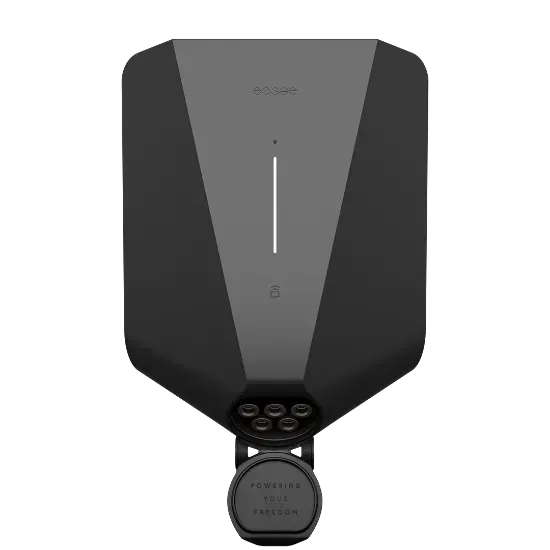
The Easee One is a 7.4kW untethered smart EV charger, which makes it a good fit for households that want a neat, compact unit without a permanently attached cable. If you prefer a cleaner wall finish and do not mind using your own charging lead, it is an easy charger to shortlist.
Its untethered format also gives a bit more flexibility if the household changes vehicle in future or if more than one EV may use the charger over time. For buyers who want to keep the charger as visually discreet as possible, that is often one of the biggest reasons to choose this style.
Easee also has useful accessories and ancillaries in the wider LAMPS range, including load balancing and cable management items, which can be helpful when you are planning the wider installation rather than just the unit itself.
Andersen A3: Best for Design-Led Homes
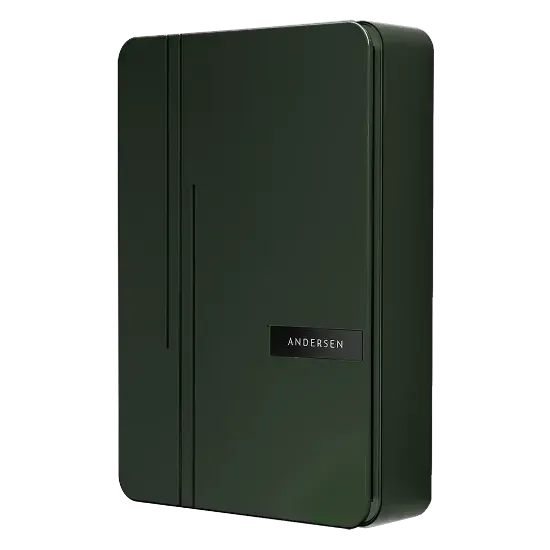
The Andersen A3 is a 7kW tethered smart charger aimed at buyers who care as much about appearance as charging performance. If the charger will be installed in a visible position and you want something that feels more considered than a standard utility-style box, Andersen is one of the first names many homeowners look at.
This is often the charger people choose when they want the unit to sit more naturally on the property rather than stand out. It is also a good option for buyers who know they want a tethered charger but do not want the overall look to feel overly industrial.
If you are comparing Andersen models, it may also be worth looking at the Andersen Quartz range, including tethered and untethered 7kW options.
Ohme ePod: A Straightforward Smart Choice
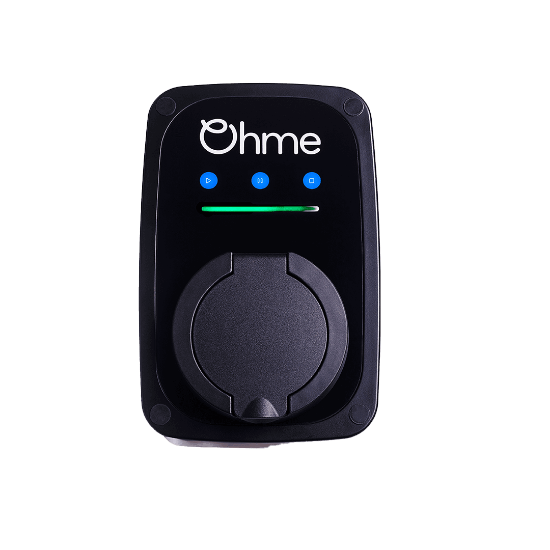
The Ohme ePod is another 7.4kW untethered smart charger and is often a strong match for buyers who want an untethered setup without moving into more design-led price territory. It keeps the look relatively clean while still sitting firmly in the smart home charging category.
This kind of charger often appeals to households that charge regularly at home but still want the option to remove the cable when the unit is not in use. If your priority is practical home charging with an untethered finish, the ePod deserves a place on the shortlist.
It is also worth comparing against the Ohme ePod vs Ohme Home Pro guide if you are deciding between Ohme’s tethered and untethered formats.
Ohme Home Pro: Best if You Want a Fixed Cable
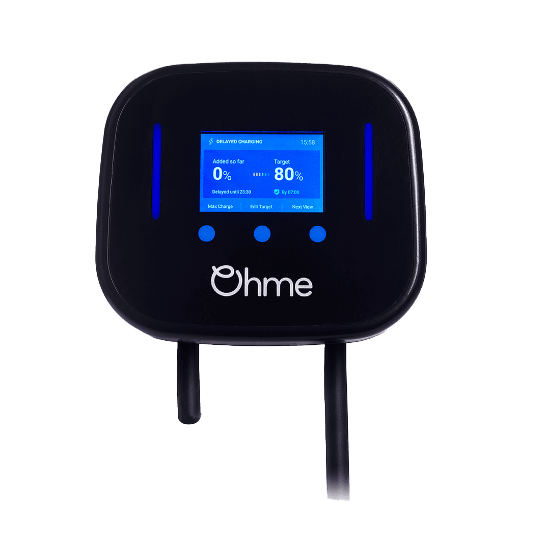
The Ohme Home Pro is a 7.4kW tethered smart charger, available in both 5m and 8m cable versions. That makes it especially practical if you already know a fixed cable will make everyday charging easier.
A tethered charger often feels simpler in use because the cable is always there when you need it. That is particularly useful for households where the car is charged frequently and the charger position is already fixed. If your driveway layout needs more reach, the 8m version is well worth considering before installation rather than realising later that the standard cable is too short.
For many UK drivers, this is the type of charger that feels most natural day to day: pull up, plug in and charge.
Hypervolt Home 3 Pro: Best if Cable Length Matters
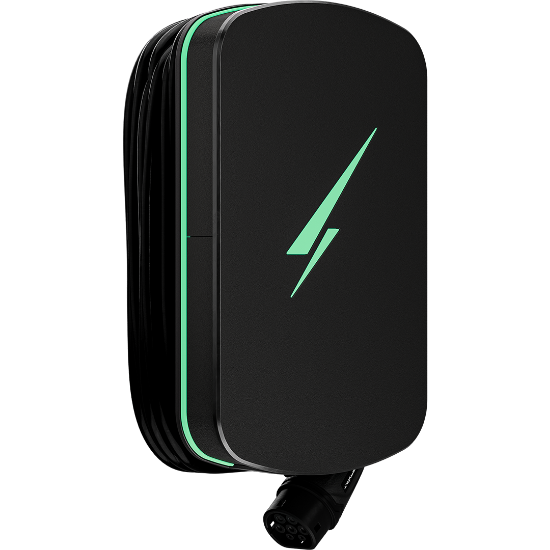
The Hypervolt Home 3 Pro range is a strong option for buyers who know cable reach matters. LAMPS stocks Hypervolt Home 3 Pro models with 5m, 7.5m and 10m tethered cable lengths, which can make a real difference on longer driveways or more awkward parking layouts.
That flexibility is one of the biggest reasons to shortlist Hypervolt. Instead of forcing the installation around a single standard cable length, you can choose a version that better suits the way the car is parked. The range also includes different finishes, which may matter if the charger will be installed somewhere prominent.
If you want a tethered charger but know your parking setup is not especially simple, Hypervolt is one of the first ranges to compare.
myenergi Zappi: Worth Comparing in Tethered and Untethered Formats
The myenergi Zappi range gives buyers several formats to compare, including the 7kW tethered Zappi, the 7kW untethered Zappi, and the Zappi GLO 7kW smart charger.
This makes Zappi a useful range for buyers who want to stay within one brand but still compare cable style and charger format. It is also a good range to review if you are already looking at the wider myenergi ecosystem and want to keep your shortlist open rather than jumping straight to a single model.
If you are unsure whether tethered or untethered is the better fit, Zappi is one of the clearest examples of a range where you can compare both routes side by side.
Smart Tariffs and Running Costs
For many drivers, the best EV charger is the one that helps them charge more cheaply. That is why smart tariff compatibility and scheduling matter so much. In practice, the important point is not just whether a charger is described as “smart”, but whether it makes off-peak charging straightforward and whether it fits the way you want to use the car at home.
Compatibility can change over time depending on the charger, the vehicle, the app and the energy tariff itself, so it is sensible to check the current picture before you buy. If this is high on your list, start with LAMPS’ guide to what EV chargers work with Octopus Intelligent Go.
As a rule, if you care most about charging cost, you should prioritise strong app scheduling, easy overnight setup and a charger brand you are comfortable using regularly rather than chasing marketing claims.
Which Home EV Charger Is Best for You?
Here is the practical version:
- Choose the Easee One if you want a compact untethered charger and prefer a cleaner wall finish.
- Choose the Andersen A3 if visual design matters most and you want a more premium-looking tethered charger.
- Choose the Ohme ePod if you want an untethered smart charger that feels straightforward and easy to shortlist.
- Choose the Ohme Home Pro if you want the convenience of a tethered cable and an easy day-to-day home charging setup.
- Choose the Hypervolt Home 3 Pro if cable length is one of the deciding factors for your property.
- Choose a Zappi model if you want to compare tethered and untethered options within the same range.
If two of these sound right, that usually means the final choice will come down to cable style, driveway layout and appearance rather than raw charging performance.
Installation Considerations Before You Buy
It is always easier to choose the right charger if you think about installation at the same time. The charger position, distance from the supply, parking layout and whether the cable needs to reach the front, side or rear of the car can all influence the best model.
It is also worth planning the supporting products around the charger. LAMPS supplies not only the charge point but also EV cabling, EV circuit protection, load balancing items and mounting accessories. For some jobs, that makes it much easier to source the wider install from one place.
If you are still researching costs, start with the guide to EV charger installation costs. If you want location-specific help, you can also browse installation locations or contact LAMPS to talk through the next step.
Final Verdict: The Best EV Charger Is the One That Fits Your Home
There is no single best EV charger for every UK homeowner. The right choice depends on whether you want tethered or untethered charging, how important design is, how your car is parked, and whether smart tariff scheduling is a major priority.
For untethered charging, the Easee One and Ohme ePod are strong starting points. For tethered charging, the Ohme Home Pro, Hypervolt Home 3 Pro range and Andersen A3 all deserve a serious look. If you want a broader brand comparison within one family of products, the myenergi Zappi range is also worth reviewing.
The best next step is to compare the charger against your actual property rather than buying on brand name alone. Think about cable length, wall position, charging habits and how tidy you want the finished setup to look.
If you want help narrowing the shortlist, browse home EV chargers or get in touch with LAMPS.
Frequently Asked Questions
What is the best EV charger for home use in the UK?
The best home EV charger depends on your priorities. For many households, the decision comes down to whether you want a tethered or untethered charger, how important design is, and whether cable length or smart tariff scheduling matters most.
Is a tethered or untethered EV charger better?
A tethered charger is usually more convenient for everyday home use because the cable is already attached. An untethered charger can look tidier when not in use and gives you more flexibility over the cable you use.
Is 7kW enough for a home EV charger?
Yes. For most UK homes, a 7kW or 7.4kW charger is the standard choice and is suitable for overnight charging. Higher outputs are more commonly linked to three-phase commercial settings than typical domestic properties.
Which EV charger is best if my driveway is awkward?
If cable reach is likely to be an issue, look carefully at tethered chargers with longer cable options, such as the Hypervolt Home 3 Pro range or the Ohme Home Pro 8m.
Can I use a home EV charger with a smart tariff?
Many smart chargers are designed to work well with overnight scheduling and smart tariff use, but compatibility can vary by charger, vehicle and tariff. It is best to check the current position before ordering, especially if tariff integration is one of your main reasons for upgrading.
Further reading: