






Best EV Chargers UK 2026: Home EV Charger Buying Guide
The best EV charger for home use in the UK is usually a 7kW or 7.4kW smart charger that fits the property, parking layout and the way the driver charges day to day. The right choice depends on whether the customer wants a tethered or untethered charger, how far the cable needs to reach, whether smart tariff scheduling matters, whether solar charging may be part of the setup, and how visible the charger will be on the property.
Last updated: June 2026.
LAMPS supplies home EV chargers, EV cabling, EV circuit protection and EV installation accessories for homeowners, installers and trade buyers. This guide compares leading home EV charger options available through LAMPS, with practical buying advice rather than a single one-size-fits-all recommendation.
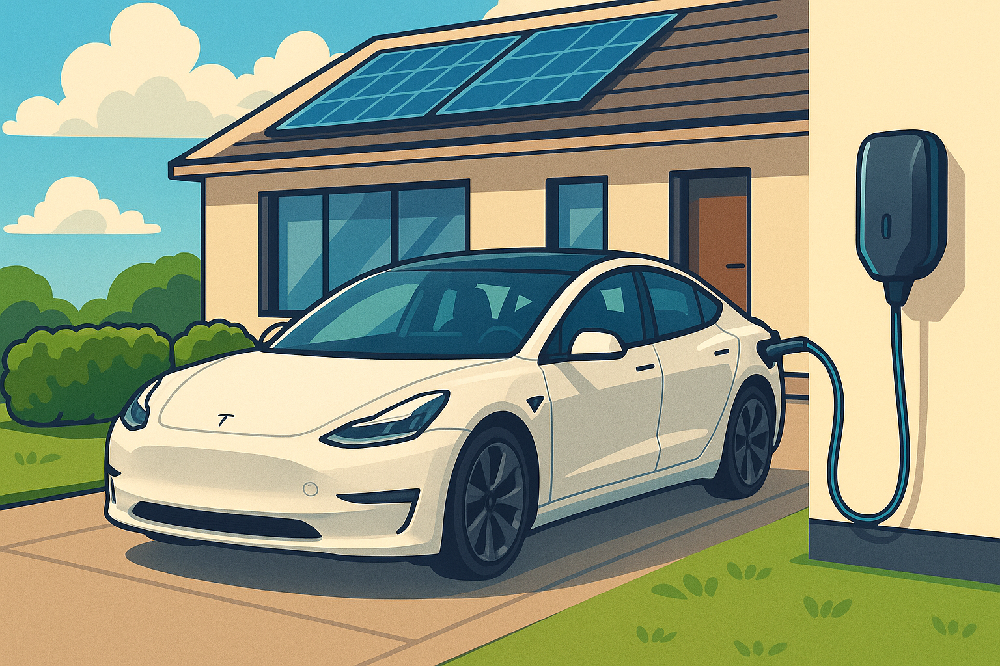
Best EV chargers UK 2026: quick verdict
For most UK homes, start by deciding whether the customer wants a tethered or untethered charger. Then check cable length, app control, solar plans, charger appearance and installation requirements before narrowing the shortlist.
Best compact untethered charger
Easee One
A neat 7.4kW untethered smart charger for homes where a clean wall finish matters.
View Easee OneBest untethered Ohme charger
Ohme ePod
A simple untethered smart charger for buyers comparing Ohme without a fixed cable.
View Ohme ePodBest tethered smart charger
Ohme Home Pro
A practical tethered smart charger for drivers who want a cable ready to use every day.
View Ohme Home ProBest for long cable options
Hypervolt Home 3 Pro
A strong option where driveway layout and cable reach are the deciding factors.
View Hypervolt rangeBest design-led charger
Andersen A3
A tethered 7kW charger for homes where the finished look is a major part of the brief.
View Andersen A3Best for solar-focused buyers
myenergi Zappi
Worth comparing where solar charging or the wider home energy setup is part of the plan.
View Zappi rangeBest practical socketed charger
Rolec EVO
A practical 7.4kW socketed smart charger for standard home EV charging jobs.
View Rolec EVOBest colour-led untethered option
Aurora Seren
A 7.4kW untethered range to compare when colour and appearance matter.
View Aurora Seren rangeHow to choose the best EV charger for your home
A good home EV charger decision starts with the installation, not just the brand. The same charger can be a good fit on one driveway and awkward on another if the cable length, wall position or parking layout has not been considered properly.
7kW vs 7.4kW vs 22kW
Most UK homes use a 7kW or 7.4kW charger because that suits typical single-phase domestic supplies and overnight charging. A 22kW charger normally needs a suitable three-phase supply and a vehicle that can accept higher AC charging rates.
Tethered vs untethered
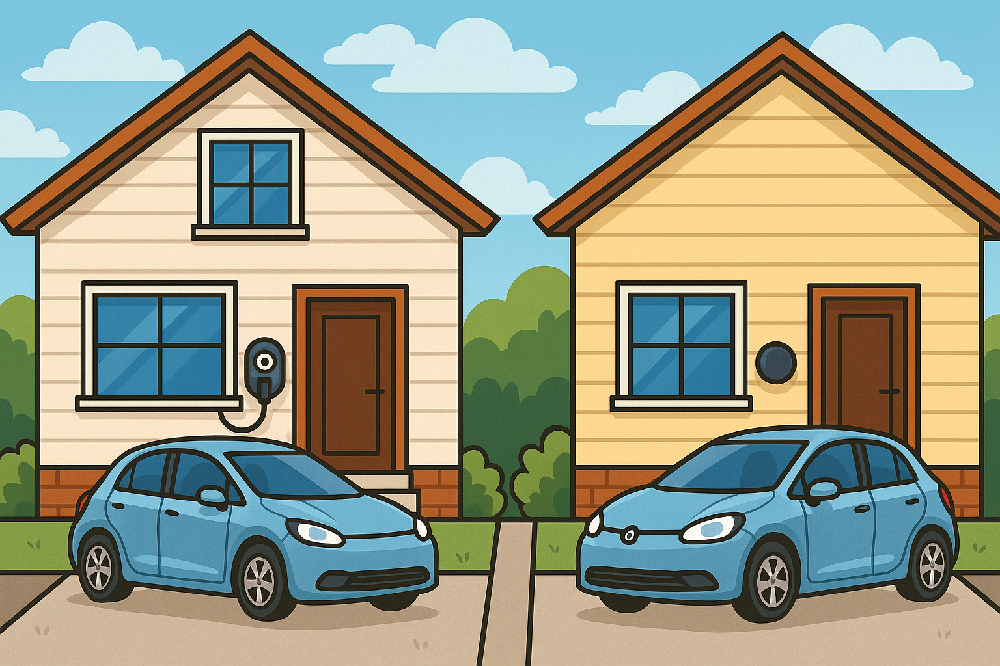
Tethered chargers are convenient because the cable is attached. Untethered chargers look tidier when not in use and let the customer use a separate charging cable.
Cable length and driveway layout
Check where the vehicle parks, where the charge port sits and whether the car is usually parked nose-in or reversed. Cable length is often the detail that decides the best charger.
Smart tariffs and app control
Smart scheduling can help drivers plan charging around off-peak periods, but tariff compatibility can change. Check the charger, vehicle, app and tariff together before relying on a specific setup.
Solar charging and future energy setup
If the home has solar panels, or may add them later, solar-related charging features may influence the shortlist. Zappi and Hypervolt are often compared in this area, but always check the current product details before ordering.
Design and colour options
If the charger sits on the front of the house, the finish matters. Andersen, Hypervolt and Aurora Seren are worth comparing where the finished appearance is part of the buying decision.
Installer and specification checks
Before ordering, check the supply, cable route, earthing arrangement, protective equipment, load management and any accessories needed for a safe, tidy installation.
Tethered vs untethered EV chargers
Tethered and untethered chargers can both be good choices. The better option depends on how the driver uses the charger and how visible the installation will be.
Choose tethered if...
- The driver charges in the same place most days.
- Convenience is more important than a minimal wall finish.
- The cable length can be selected confidently before installation.
- The customer wants to park, plug in and charge with minimal fuss.
Good examples include the Ohme Home Pro, Hypervolt Home 3 Pro, Andersen A3 and Zappi tethered.
Choose untethered if...
- The customer wants the charger to look tidier when not in use.
- More than one cable length or vehicle type may be used over time.
- The driver already has a suitable Type 2 cable.
- The wall position is visible and a fixed cable would look untidy.
Good examples include the Easee One, Ohme ePod, Rolec EVO, Aurora Seren and Zappi untethered.
Easee One: compact untethered charging
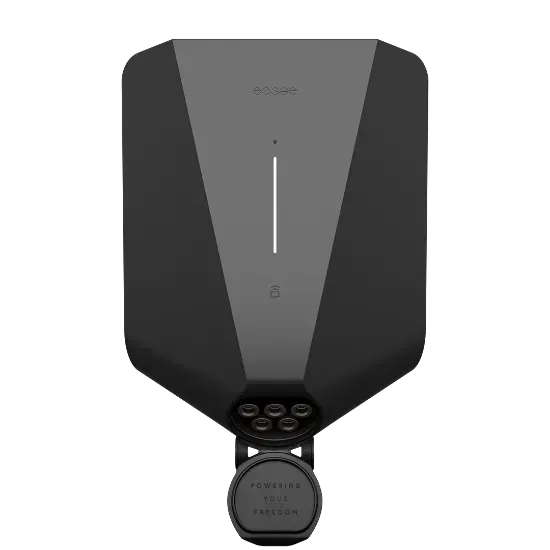
The Easee One is a 7.4kW untethered smart EV charger. It suits buyers who want a compact charger without a cable permanently attached to the unit.
The main buying reason is the neat untethered format. It works well where the customer wants a cleaner wall finish or expects more than one EV to use the charger over time.
Check whether the customer already has a suitable charging cable. If not, include a Type 2 charging cable in the wider installation order.
View Easee rangeOhme ePod: untethered Ohme smart charging
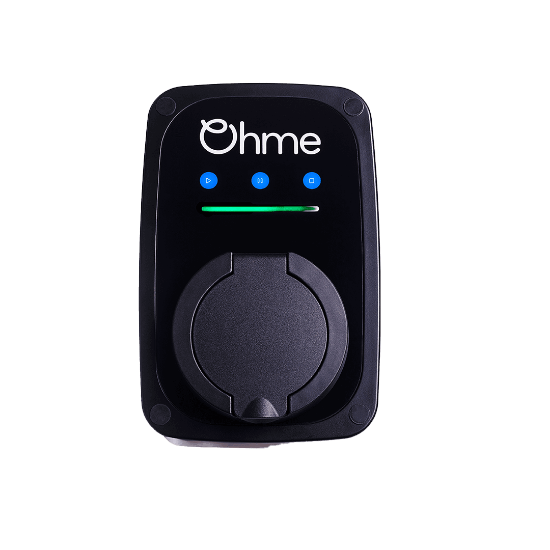
The Ohme ePod is a 7.4kW untethered smart charger with a Type 2 socket. It suits buyers who want an Ohme charger but prefer not to have a fixed cable on the wall.
The key buying reason is simple: it gives customers an untethered Ohme option for a tidier finish. It is particularly worth comparing against the tethered Ohme Home Pro if the customer is unsure which cable style suits them.
Before ordering, check whether the customer has a compatible charging cable and whether an untethered charger will suit their daily routine.
Compare Ohme ePod and Home ProOhme Home Pro: tethered convenience for daily charging
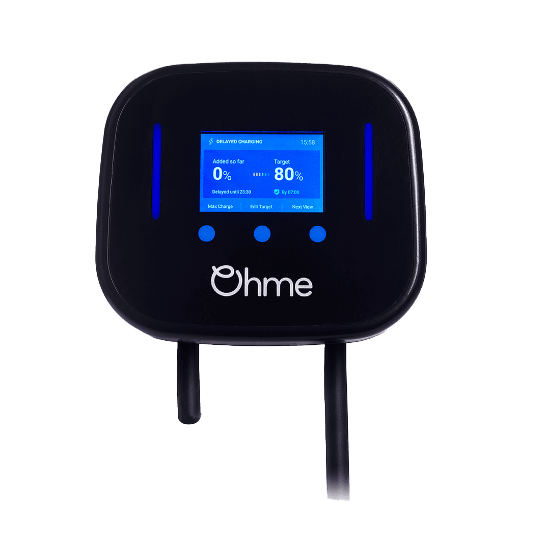
The Ohme Home Pro is a 7.4kW tethered smart charger. It suits drivers who charge at home regularly and want the cable ready every time they park.
The key buying reason is day-to-day convenience. A tethered charger avoids getting a separate cable out of the boot and is often easier for households using the same parking space every night.
LAMPS lists the Ohme Home Pro 5m and Ohme Home Pro 8m. Check the cable route before choosing between them.
View Ohme Home ProHypervolt Home 3 Pro: for longer cable options
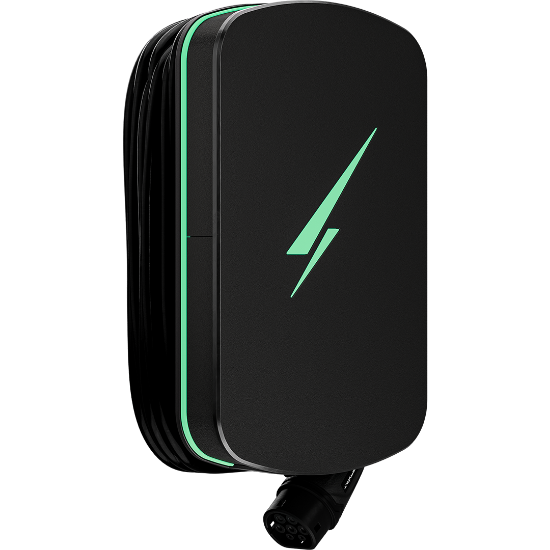
The Hypervolt Home 3 Pro range is a strong shortlist option where cable reach matters. It suits homes with longer driveways, awkward parking positions or charge ports that are not always close to the wall unit.
LAMPS lists Hypervolt Home 3 Pro models with 5m, 7.5m and 10m tethered cable options.
The point to check is cable management. A longer cable can solve reach problems, but it still needs a tidy, safe place to sit when not in use.
View Hypervolt rangeAndersen A3: design-led home charging
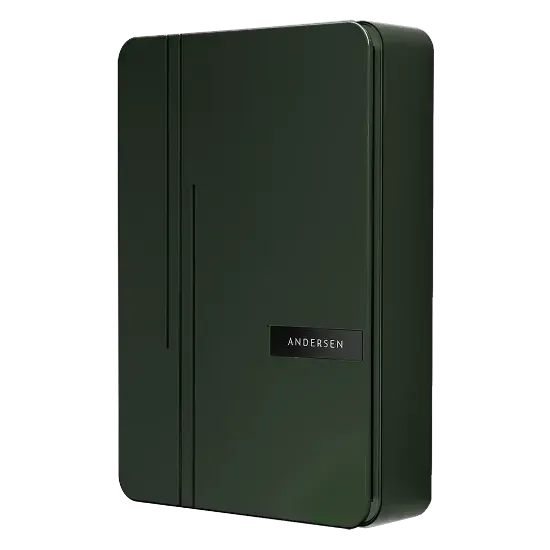
The Andersen A3 is a 7kW tethered smart charger for homes where appearance is a major buying factor. It suits properties where the charger will be visible from the front of the house or close to an entrance.
The key buying reason is the finished look. For some customers, a charger that sits well on the property is worth prioritising over choosing purely by price or brand familiarity.
Check the cable route and finish options before ordering. Buyers comparing Andersen should also review the Andersen Quartz range.
View Andersen A3myenergi Zappi: for solar-focused buyers and ecosystem comparison
The myenergi Zappi range is worth comparing where the customer is thinking about solar, home energy management or choosing between several charger formats within one product family. LAMPS lists options including the Zappi 7kW tethered charger, the Zappi 7kW untethered charger and the myenergi Zappi GLO.
The key buying reason is flexibility. Zappi gives buyers several routes to compare: tethered, untethered and GLO formats. It also tends to be part of conversations where solar PV, battery storage or future home energy upgrades are on the customer’s mind.
Check the exact model, current product details and wider system requirements before ordering. Solar-related features should always be confirmed against the current charger model and installation design.
Rolec EVO: practical socketed smart charging
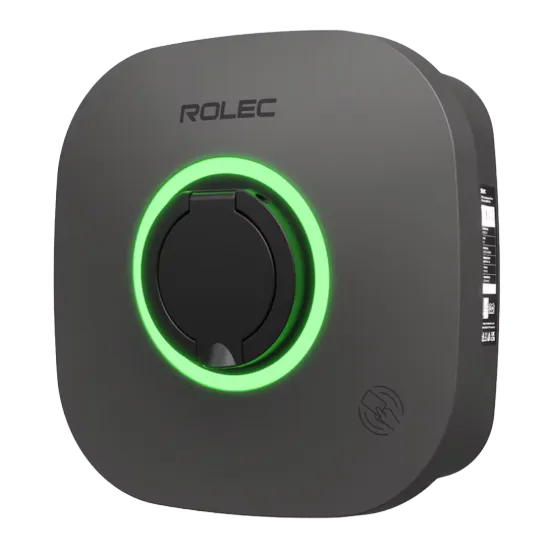
The Rolec EVO 7.4kW Smart EV Charger is a socketed smart charger for standard home EV charging applications. It suits customers who want a practical untethered unit from the Rolec range.
The key buying reason is straightforward specification. It is a sensible option where a Type 2 socketed smart charger is the preferred format.
Check whether the job needs any supporting accessories, such as cabling, circuit protection or load-related components, before ordering. For more Rolec options, see the Rolec range.
View Rolec EVOAurora Seren: colour-led untethered charging
The Aurora Seren range is worth comparing where the customer wants a 7.4kW untethered charger and colour or finish is part of the decision. LAMPS lists the Aurora Seren Type 2 socket model as well as colour options including Stealth Black, Midnight and Sky Blue.
The key buying reason is appearance. Aurora Seren is useful when the charger will sit on a visible wall and the customer wants more choice than a plain grey or black box.
Check the live product page for the current colour, model and specification before ordering, especially if the finish is central to the customer’s choice.
Smart tariffs and running costs
For many drivers, the best EV charger is the one that makes overnight charging easy to manage. App scheduling, charging windows and energy reporting can all matter if the customer wants to align charging with a time-of-use tariff.
Do not assume a charger will work with a specific tariff without checking the current position. Compatibility can change between the vehicle, charger, app and energy supplier. If tariff integration is a major buying reason, confirm the full setup before ordering.
For Octopus-specific research, read the LAMPS guide to what EV chargers work with Octopus Intelligent Go.
Installer note: Treat smart tariff compatibility as a live check. Confirm the charger, vehicle, energy tariff and app before presenting tariff-led recommendations to a customer.
Solar charging and future energy setup
If the property already has solar panels, or the customer may add solar later, the EV charger choice can affect how neatly the wider home energy setup comes together. Some buyers want a charger that can form part of a solar PV, battery storage or home energy management plan rather than simply charging from the grid.
This is one reason buyers often compare products such as myenergi Zappi and Hypervolt Home 3 Pro when solar is part of the brief. However, it is important not to rely on broad assumptions. Solar-related features, app behaviour and accessory requirements should be checked against the current product model and the installation design.
For customers planning solar later, the practical advice is to ask the installer before ordering the charger. It may affect product choice, cable route, CT clamp requirements and how the installation should be designed for future upgrades.
Grants and installation considerations
Some renters, flat owners and households with on-street parking may be eligible for EV chargepoint grant support, depending on the current scheme rules and the property setup. Grant eligibility changes over time, so check the latest GOV.UK EV chargepoint grant guidance before budgeting or quoting.
If the customer rents their property or does not own a standard driveway, read the LAMPS guide to EV charger installation in a rented home. For cost planning, see the EV charger installation cost guide.
Home EV chargers should be installed by a competent qualified installer. The installation needs the right circuit design, protection, cable route, earthing assessment and commissioning checks. For more information, see EV charger installation.
Before ordering: home EV charger checklist
Property and supply
Confirm single-phase or three-phase supply, charger location, cable route and protective equipment requirements.
Parking layout
Check where the car normally parks, where the charge port sits and whether the driver parks nose-in or reversed.
Cable style
Choose tethered for convenience or untethered for a tidier wall finish and separate cable flexibility.
Smart and solar plans
Check smart tariff requirements, app control, solar plans and any load management or CT clamp needs before ordering.
Buy home EV chargers from LAMPS
The best next step is to compare the charger against the actual property. Cable length, wall position, smart scheduling, solar plans and the finished look all matter more than simply choosing the best-known brand.
Browse home EV chargers, compare wider EV charging products, and check the supporting installation products your job may need, including EV cabling, EV circuit protection and EV ancillaries.
LAMPS is an independent electrical and renewables wholesaler, so the aim is not just to list chargers. It is to help installers, trade buyers and technically minded homeowners choose the right equipment for the job. If you are unsure what to order for a particular installation, email [email protected] with the property type, charger shortlist and installation requirements.
Home EV charger FAQs
What is the best EV charger for home use in the UK?
The best home EV charger depends on the property, parking layout and charging routine. For untethered charging, compare Easee One, Ohme ePod, Rolec EVO and Aurora Seren. For tethered charging, compare Ohme Home Pro, Hypervolt Home 3 Pro, Andersen A3 and myenergi Zappi.
Is tethered or untethered better?
A tethered charger is usually better for everyday convenience because the cable is already attached. An untethered charger is usually better for a tidy wall finish and cable flexibility. The right choice depends on how the car parks and how visible the charger will be.
Is 7kW enough for a home EV charger?
Yes. A 7kW or 7.4kW home EV charger is the normal starting point for most UK single-phase homes and is suitable for typical overnight charging. The installer should still check the property supply, cable route and protection requirements before installation.
Is a 22kW charger worth it at home?
A 22kW charger is only worth considering where the property has a suitable three-phase supply and the vehicle can accept higher AC charging rates. Many UK homes do not have the supply needed to use 22kW AC charging fully.
Which EV charger is best for an awkward driveway?
For an awkward driveway, focus on cable length and charger position. Hypervolt Home 3 Pro models with longer cable options and the Ohme Home Pro 8m are worth comparing where extra reach is needed.
Which EV charger is best for a tidy wall finish?
Untethered chargers usually give the tidiest wall finish because the cable can be removed when not in use. Easee One, Ohme ePod, Rolec EVO, Aurora Seren and Zappi untethered are all worth comparing.
Which EV charger is best for smart tariffs?
The best charger for smart tariffs depends on the charger, vehicle, app and energy tariff. Compatibility can change, so check the current position before ordering and read the LAMPS guide to EV chargers that work with Octopus Intelligent Go.
Can I get a grant for a home EV charger in 2026?
Some renters, flat owners and households with on-street parking may be eligible for EV chargepoint grant support. Check the latest GOV.UK guidance before relying on a grant for budgeting or quoting.
Do I need a qualified electrician to install a home EV charger?
Yes. A home EV charger should be installed by a competent qualified installer. The job needs the correct circuit design, protection, earthing assessment, cable route and commissioning checks.