







Can You Get an EV Charger in a Rented Home? UK Rules 2026
Yes, you can often get an EV charger installed in a rented home in the UK in 2026, but you should expect to need written permission before any work starts. A home EV charger is fixed electrical equipment, so it is not the same as plugging in an appliance. It may involve drilling, cabling, consumer unit checks and changes to the outside of the property.
Last updated: June 2026. Grant rules, landlord requirements and local authority policies can change, so check the latest official guidance before arranging an installation.
The easiest rental EV charger installations are usually houses with private off-street parking, a clear wall position and a landlord who is comfortable with the charger staying at the property. Flats, leasehold homes, managed buildings and on-street parking can still be possible, but they usually need more permissions.
LAMPS supplies home EV chargers, EV cabling, EV circuit protection and EV installation accessories for installers, landlords, facilities teams and technically minded homeowners.

Can tenants install an EV charger in a rented home?
Usually, yes. A tenant can ask to install an EV charger, but they should not arrange the work without permission. Most tenancy agreements restrict alterations, external fixtures and fixed electrical work, so written consent is the safest starting point.
You may need permission from more than one party. A rented house may only need landlord approval. A flat or managed development may also need approval from the freeholder, managing agent or residents’ management company.
Quick answer: if you rent a house with a private driveway, getting an EV charger is often possible with written landlord permission and a qualified installation.
If you rent a flat or have only on-street parking: it may still be possible, but permissions, cable routing and grant eligibility need checking more carefully.
What permission do you need?
Before choosing a charger, check who has authority over the wall, parking space and cable route. The charger may sit on the property wall, but the parking space or cable route may be controlled separately.
Rented house with driveway
Usually the simplest route. You normally need written landlord permission and a qualified installer to assess the property.
Flat with allocated bay
You may need landlord, freeholder or managing agent consent, especially if the cable crosses communal areas.
Leasehold or managed building
Check the lease, parking rights, communal rules, fire safety requirements and cable route before ordering equipment.
On-street parking
You may need local authority approval for a permanent cross-pavement solution. Do not run a loose cable across the pavement.
How to ask your landlord for permission
A clear, practical request is more likely to be approved than a vague one. Landlords usually want to know what will be installed, who will do the work, who pays, and what happens when the tenancy ends.
What to include in your request
- The charger model or shortlist.
- Whether it is tethered or untethered.
- The proposed wall position and parking space it will serve.
- Confirmation that a qualified installer will carry out the work.
- Who will pay for the charger and installation.
- Whether the charger stays at the property or may be removed professionally when you move.
- Any grant support you may be eligible for.
Chargers landlords may approve fastest
There is no charger that guarantees faster landlord approval. However, landlords are often more comfortable with chargers that look tidy, have no fixed cable hanging on the wall, and are easy to explain as a neat permanent upgrade. For rented homes, an untethered charger is often a sensible starting point because the cable can be stored separately.
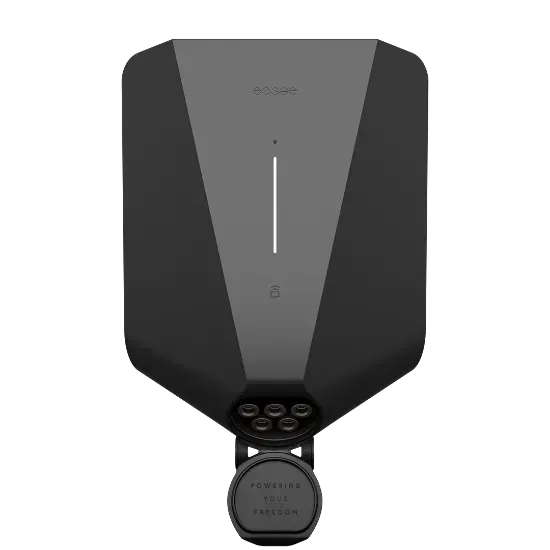
Easee One
Best for: compact untethered installations.
A neat option where the landlord wants the charger to look discreet on the wall.
View Easee One
Ohme ePod
Best for: tidy Ohme smart charging.
A socketed Ohme option for tenants who want smart charging without a fixed cable.
View Ohme ePod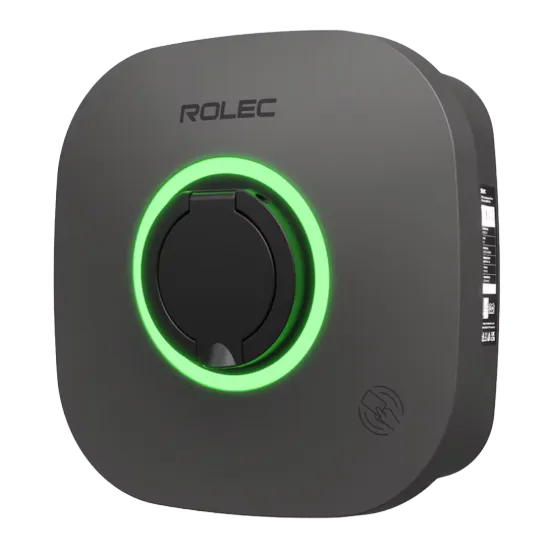
Rolec EVO
Best for: practical socketed charging.
A straightforward 7.4kW Type 2 socketed charger for standard home installations.
View Rolec EVO
Aurora Seren
Best for: colour-led tidy installs.
A neat untethered 7.4kW charger where appearance is part of the landlord conversation.
View Aurora SerenIf the landlord prefers the cable to be permanently attached for simplicity, tethered options such as the Ohme Home Pro or Hypervolt Home 3 Pro may still be suitable. The best choice depends on the parking layout and cable management.
What if you rent a flat or leasehold property?
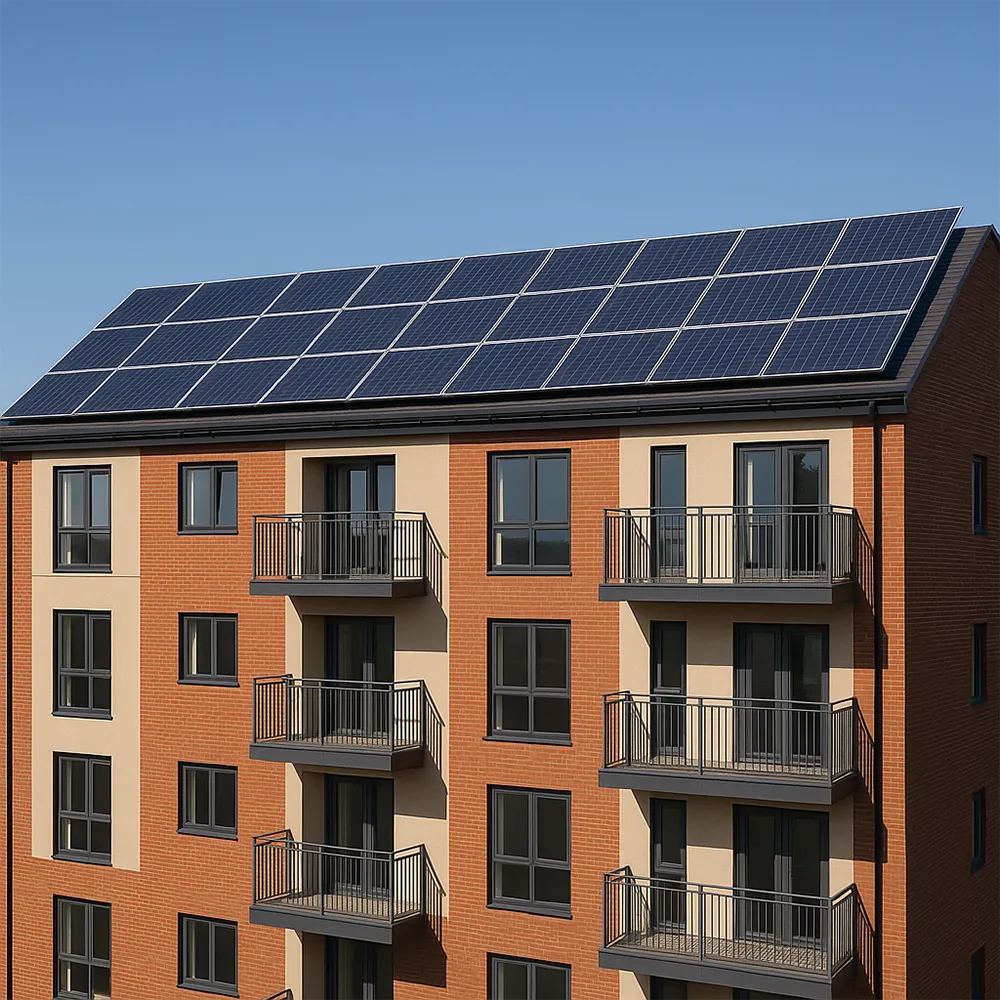
Flats and leasehold properties need more care because the landlord may not control every part of the building. Even if the landlord supports the charger, the freeholder or managing agent may control the external wall, communal car park, service routes or parking bays.
Check bay ownership
Confirm that the parking bay is allocated to the tenant and that an EV charger may serve that bay.
Check the cable route
Communal corridors, car parks, service ducts and external walls may need managing agent or freeholder approval.
Check electricity billing
The charger should normally be connected to the correct dwelling meter, especially where the tenant pays the electricity bill.
What if the property only has on-street parking?
On-street parking is more complicated than a private driveway. The 2026 grant position is more supportive than older guides suggest, but it is not permission to trail a loose cable across the pavement.
GOV.UK describes a grant route for households with on-street parking where the applicant owns or rents the home, only has on-street parking, and is installing a cross-pavement solution such as a charging gully. Local authority permission and local policy still matter, so this should be treated as a specialist route rather than a standard driveway installation.
Practical advice: if you rent without a driveway, speak to your local council before choosing the charger. The charger, cable route and cross-pavement product need to work together.
Can renters still get an EV charger grant in 2026?
Yes, eligible renters and flat owners can still get grant support in 2026. The EV chargepoint grant for renters and flat owners can cover 75% of the cost of buying and installing a socket, up to a maximum of £500.
In broad terms, the renter or flat owner grant is aimed at people who rent and live in a residential property, or own and live in a flat, and have private off-street parking. The installer and chargepoint must meet the scheme rules.
For the current official position, check the GOV.UK EV chargepoint grant for renters or flat owners before committing to an installation.
What grant support is available for landlords?
Landlords can still get support for eligible residential chargepoint installations. The residential landlord chargepoint grant can cover 75% of the cost of buying and installing chargepoints, up to £500 per socket, with limits on the number of sockets that can be claimed each year.
This can make a landlord-funded installation more attractive where the property has off-street parking and the landlord wants to improve the rental offer for current or future tenants.
For the current official position, landlords should check the GOV.UK electric vehicle chargepoint grant for residential landlords.
Who pays for an EV charger in a rented property?
There is no single rule. The payment arrangement should be agreed in writing before the installation is booked.
Tenant pays
Common where the tenant wants the charger for their own EV and expects to stay long enough to benefit from home charging.
Landlord pays
More likely where the landlord sees the charger as a long-term property upgrade or wants to market the home as EV-ready.
Shared cost
A practical compromise where the tenant benefits now and the landlord keeps the charger for future tenants.
The agreement should cover the charger cost, installation cost, electricity billing, ownership, maintenance, paperwork and what happens when the tenancy ends.
Can you take the EV charger when you move?
Sometimes, but it should be agreed before installation. A home EV charger is fixed electrical equipment, so removing it is not as simple as unplugging a device and taking it with you.
The usual options are:
Leave it in place
Often the simplest option, especially where the landlord has contributed or the charger improves the property for future tenants.
Sell it to the landlord
A practical route where the tenant paid for the charger but the landlord wants to keep the installation when the tenant leaves.
Remove it professionally
Possible only if agreed. A qualified electrician should disconnect it safely and any making-good work should be agreed in writing.
Installation options for rented homes
The best installation type depends on the property layout, the landlord’s preference and how permanent the finished setup needs to feel.
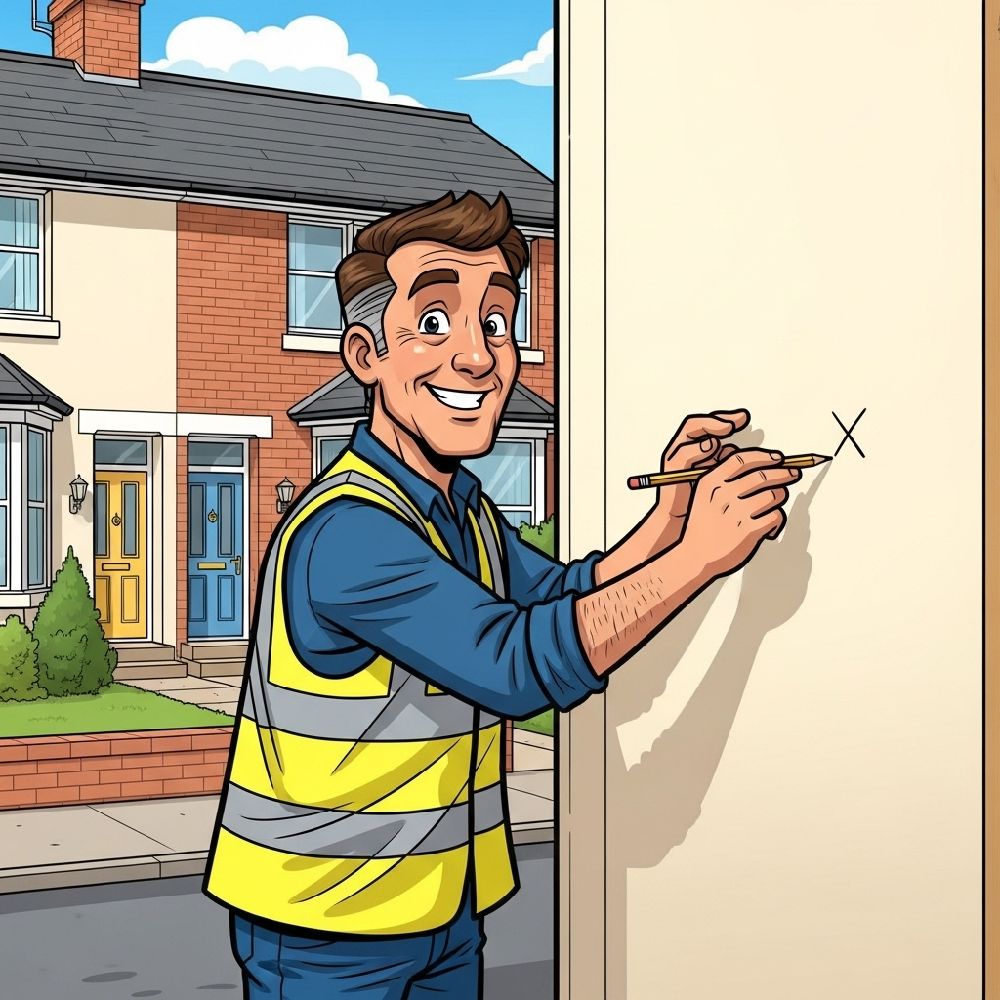
Wall-mounted untethered charger
Best for: tidy rented-home installs.
No fixed cable on the wall, cleaner appearance and easier explanation to landlords.
Wall-mounted tethered charger
Best for: daily convenience.
The cable is always ready, but cable storage and appearance need more thought.
Post-mounted charger
Best for: parking away from the wall.
Useful where wall mounting is not practical, but likely to involve more cost and landlord discussion.
What affects the cost?
There is no single national price for installing an EV charger in a rented home. The cost depends on the charger, cable run, consumer unit position, installation complexity, earthing arrangement, wall or post mounting, and any additional electrical work required.
Lower-complexity installs
Rented house, private driveway, clear wall position and short cable route.
Higher-complexity installs
Long cable runs, older electrics, post mounting, flats, communal spaces or on-street parking.
Supporting equipment
Some jobs may need EV cabling, circuit protection, load management parts or mounting accessories.
For wider cost planning, read the LAMPS EV charger installation cost guide.
Why smart tariffs matter for renters
Most tenants pay their own electricity bill, so charging at the right time can make a meaningful difference. A smart home EV charger can help with scheduled charging, usage visibility and off-peak charging routines.
Tariff compatibility can change between the vehicle, charger, energy supplier and app. If a tariff is central to the decision, check the current compatibility position before ordering. For Octopus-specific research, read the LAMPS guide to what EV chargers work with Octopus Intelligent Go.
What landlords should consider
For landlords, an EV charger can be a practical property upgrade where there is suitable parking. It may make the home more attractive to tenants who already drive an EV or expect to switch soon.
The main point is to keep the installation professional and well documented. Use a qualified installer, keep the electrical paperwork, agree who owns the charger, and make sure the charger is connected to the correct electricity supply.
Landlord checklist
- Confirm the tenant has permission to use the parking space.
- Check whether the charger affects external walls, shared areas or leasehold rules.
- Agree who pays and who owns the charger.
- Use a qualified installer and keep certificates.
- Check whether a landlord grant is available before work starts.
- Agree what happens when the tenant leaves.
So, can you get an EV charger in a rented home in 2026?
Yes, often you can. The main requirements are permission, parking access, a suitable electrical installation and a clear agreement about cost, ownership and what happens when the tenancy ends.
If you rent a house with a private driveway, the process is often more straightforward than people expect. If you rent a flat, live in a leasehold property or rely on on-street parking, it can still be possible, but the permissions and cable route need more careful planning.
Browse home EV chargers, compare wider EV charging products, or read the LAMPS guide to the best EV chargers UK 2026. For installation information, see EV charger installation.
If you are unsure what to order for a rented property, email [email protected] with the property type, parking setup, charger shortlist and any landlord requirements.
Rented home EV charger FAQs
Can I install an EV charger in a rented home?
Yes, in many cases you can, but you should get written permission before any work starts. A home EV charger is fixed electrical equipment, so the landlord, freeholder or managing agent may need to approve the installation.
Do I need landlord permission for an EV charger?
Usually, yes. Most tenants should assume landlord permission is required because the installation can involve fixed wiring, drilling and external equipment. For flats or managed buildings, freeholder or managing agent consent may also be needed.
Can a landlord refuse an EV charger?
A landlord may refuse if the installation is unsuitable, unsafe, conflicts with the lease, affects communal areas or creates unresolved cost and ownership issues. A clear proposal from a qualified installer can make approval more likely, but permission should not be assumed.
Who pays for an EV charger in a rented property?
There is no single rule. The tenant may pay, the landlord may pay, or both may share the cost. The agreement should be written down before installation and should cover ownership, electricity billing and what happens when the tenancy ends.
Can I take the EV charger with me when I move?
Only if this has been agreed and the charger is removed professionally. Many chargers are left in place because they are fixed electrical equipment and can improve the property for future tenants.
Can I install an EV charger if I rent a flat?
Possibly, but flats are usually more complicated. You may need landlord, freeholder or managing agent approval, and the cable route, allocated bay, communal areas and electricity metering all need checking.
Can I get an EV charger grant as a renter in 2026?
Eligible renters and flat owners may be able to claim the EV chargepoint grant, which can cover 75% of the cost up to £500. Check the latest GOV.UK guidance before relying on the grant for budgeting.
Can I install a charger if I only have on-street parking?
It may be possible in some cases, but it is more complex. You may need a permanent cross-pavement charging solution and local authority approval. Do not trail a loose charging cable across the pavement.
What charger is best for a rented home?
Untethered chargers are often a good starting point because they look tidier and do not leave a fixed cable on the wall. Easee One, Ohme ePod, Rolec EVO and Aurora Seren are all worth comparing for tidy rented-home installations.