







Tethered vs Untethered EV Chargers: Which Should You Choose?
The main difference between tethered and untethered EV chargers is the charging cable. A tethered EV charger has a fixed cable attached to the unit, making daily charging quicker and easier. An untethered EV charger has a Type 2 socket instead, giving a cleaner wall finish and more flexibility around cable choice.
Last updated: July 2026.
For most UK homes, the right choice depends on how often the driver charges, where the vehicle parks, how visible the charger will be, whether a fixed cable looks acceptable on the wall, and whether the household may change vehicle in future.
This guide compares tethered and untethered EV chargers using real examples available from LAMPS, including Ohme, myenergi zappi, Hypervolt, Andersen Quartz, Sync Energy, Rolec and other EV chargers.
Quick verdict: tethered or untethered?
Best for everyday convenience
Tethered EV charger
Choose tethered if you want the cable permanently attached and ready to plug in every day.
Browse home EV chargersBest for a cleaner wall finish
Untethered EV charger
Choose untethered if you want a socketed charger with no fixed cable showing when not in use.
Compare charger optionsTethered vs untethered EV chargers: quick comparison
| Feature | Tethered EV charger | Untethered EV charger |
|---|---|---|
| Cable | Fixed cable attached to the charger | Type 2 socket; separate cable required |
| Best for | Drivers who charge regularly at home | Buyers who want a tidier wall finish |
| Daily use | Fastest to plug in and use | Cable must be connected and stored separately |
| Appearance | Cable remains visible on the wall | Cleaner look when not charging |
| Flexibility | Cable length is fixed when purchased | Cable can be changed separately |
| Good examples | Ohme Home Pro, Hypervolt Home 3 Pro, zappi GLO tethered | Ohme ePod, zappi GLO untethered, Andersen Quartz socketed |
What is a tethered EV charger?
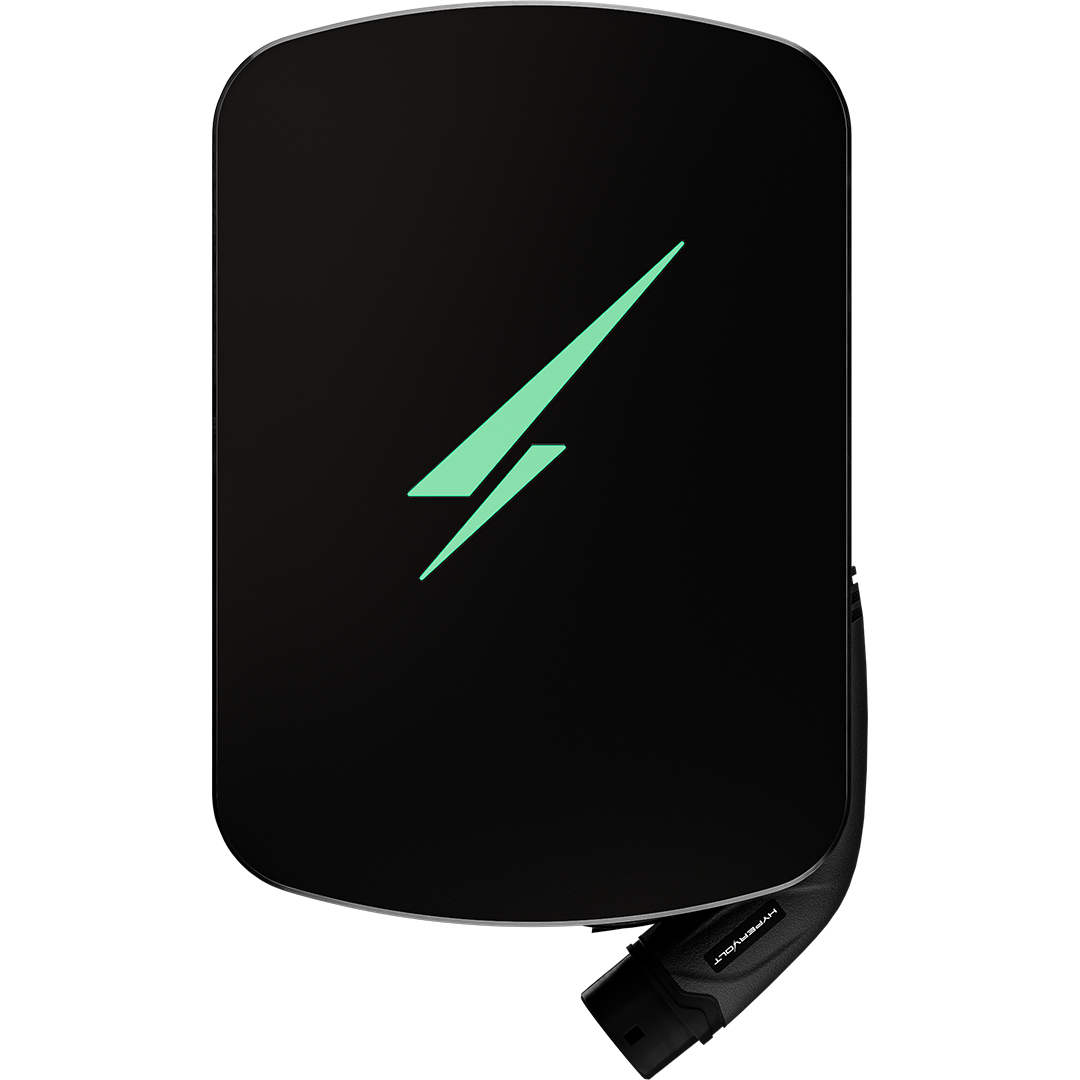
A tethered EV charger has a charging cable permanently attached to the unit. The driver parks the car, lifts the cable from the charger and plugs it into the vehicle.
This is usually the most convenient option for regular home charging. There is no need to get a cable out of the boot, garage or house each time. For drivers who plug in several times a week, that convenience is often the deciding factor.
Tethered charger strengths
- Fastest and easiest option for daily charging.
- No separate cable to carry, unpack or store.
- Good for households charging the same vehicle regularly.
- Less chance of forgetting the charging cable.
- Often preferred for driveways where the car parks in the same place.
Tethered charger drawbacks
- The cable is always visible on the wall.
- The cable length needs to be correct from the start.
- A long tethered cable can look untidy if it is not stored properly.
- Less flexible if future vehicles have a different charge-port position.
What is an untethered EV charger?
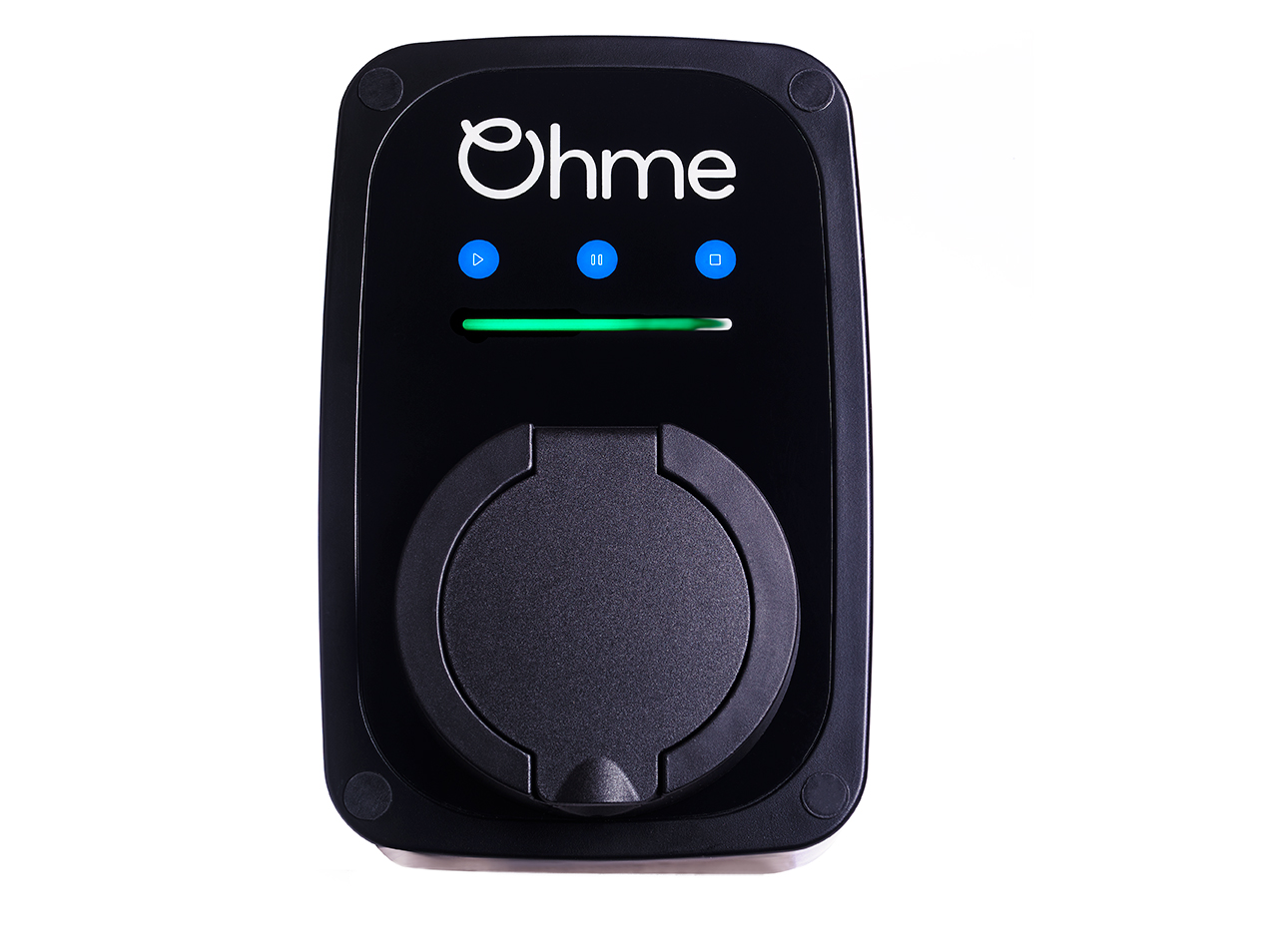
An untethered EV charger has a Type 2 socket rather than a fixed cable. The driver uses a separate charging cable to connect the vehicle to the charger.
This creates a cleaner look when the charger is not being used. It can also be more flexible because the cable can be removed, replaced or changed separately if the customer wants a different length later.
Untethered charger strengths
- Cleaner wall appearance when not in use.
- Good for front-facing walls and visible driveways.
- Allows the customer to choose a separate cable length.
- Cable can be replaced without changing the charger.
- Useful where more than one vehicle may use the charger over time.
Untethered charger drawbacks
- Requires a separate Type 2 charging cable.
- Less convenient for daily plug-in charging.
- The cable must be stored somewhere when not in use.
- Not ideal for drivers who want the quickest possible charging routine.
Choose tethered if convenience matters most
A tethered charger is usually the better choice for drivers who charge at home frequently. It removes one step from the charging routine: the cable is already there.
This is especially useful for commuters, households with one regular EV, and customers who want charging to feel as simple as possible. If the car parks in the same place each evening, a tethered charger is normally the more practical option.
Strong tethered charger examples
- Ohme Home Pro 5m — good for tariff-focused daily charging.
- Ohme Home Pro 8m — useful where extra reach is needed.
- Hypervolt Home 3 Pro 5m — strong for standard driveway layouts.
- Hypervolt Home 3 Pro 7.5m — strong middle-ground cable length.
- Hypervolt Home 3 Pro 10m — useful for awkward layouts.
- myenergi zappi GLO tethered — useful where myenergi and solar-aware planning matter.
Choose untethered if appearance and flexibility matter most
An untethered charger is usually the better choice where the charger will be visible from the road, mounted on the front of the property, or installed somewhere the customer does not want a cable permanently on show.
It can also suit buyers who already own a suitable Type 2 cable, want the option of changing cable length later, or expect different vehicles to use the charger over time.
Strong untethered charger examples
- Ohme ePod — socketed Ohme option with a cleaner wall finish.
- myenergi zappi GLO untethered — socketed zappi GLO option.
- Andersen Quartz 7kW socketed — premium design-led socketed option.
- Andersen Quartz 22kW socketed — three-phase socketed option where the supply and vehicle support it.
- Sync Energy Wall Charger 2 socketed — socketed option within the Sync Energy range.
- Rolec EVO 7.4kW socketed — untethered Rolec option.
How cable length affects the decision
Cable length is one of the biggest reasons to think carefully before choosing a tethered charger. With a tethered model, the cable length is built into the product choice. With an untethered model, the charger stays the same but the customer can choose a separate Type 2 cable.
| Situation | Better fit | Why |
|---|---|---|
| Car always parks close to the charger | Tethered | A fixed cable is quick and convenient. |
| Parking position changes often | Untethered or longer tethered | More flexibility may be needed around cable reach. |
| Charge port is awkwardly positioned | Longer tethered or untethered | Measure the actual route before ordering. |
| Front wall installation | Untethered | No fixed cable on show when not charging. |
Which is better for smart tariffs?
Both tethered and untethered chargers can be smart chargers. The cable style does not automatically decide tariff compatibility. The charger model, vehicle, customer account and app setup are what matter.
For customers asking specifically about Intelligent Octopus Go, check the latest position before ordering and read the LAMPS guide to what EV chargers work with Intelligent Octopus Go.
Installer note: Do not choose tethered or untethered based only on tariff claims. Confirm the exact charger, vehicle, tariff and app setup before giving smart tariff advice.
Which is better for solar panels?
Solar-aware charging depends on the charger model and the wider installation design, not just whether the charger is tethered or untethered.
For example, customers comparing solar-aware charging may look at zappi or zappi GLO options, while others may still choose Ohme, Hypervolt, Andersen or Sync Energy depending on the property, tariff, battery system and charging routine.
Where solar PV, battery storage and EV charging are all involved, the installer should review CT clamp positions, import/export behaviour, battery discharge settings and the customer’s charging priorities before finalising the charger.
Installation checks before choosing
Parking position
Check where the car normally parks and whether it is parked nose-in or reversed.
Charge-port location
Different vehicles have charge ports in different places. The cable must reach the real port position.
Wall visibility
If the charger is highly visible, an untethered or design-led model may suit the customer better.
Cable storage
Long tethered cables need somewhere tidy to sit when charging is finished.
So, should you buy tethered or untethered?
Choose a tethered EV charger if the customer wants the easiest day-to-day charging routine and is happy for the cable to remain visible on the wall.
Choose an untethered EV charger if the customer wants a cleaner wall finish, already owns a Type 2 cable, or wants more flexibility around cable choice.
For most households, tethered wins on convenience. Untethered wins on appearance and flexibility.
Buy tethered and untethered EV chargers from LAMPS
LAMPS supplies tethered and untethered EV chargers for homeowners, installers and trade buyers, including options from Ohme, myenergi, Hypervolt, Andersen, Sync Energy, Rolec and evec.
Browse all EV chargers, compare home EV chargers, or review supporting categories such as EV cabling, EV circuit protection and EV ancillaries.
Tethered vs untethered EV charger FAQs
Is a tethered or untethered EV charger better?
A tethered charger is usually better for everyday convenience because the cable is already attached. An untethered charger is usually better for a cleaner wall finish and cable flexibility.
What does tethered EV charger mean?
A tethered EV charger has a fixed charging cable permanently attached to the wall unit. The driver plugs that cable directly into the vehicle.
What does untethered EV charger mean?
An untethered EV charger has a Type 2 socket instead of a fixed cable. The driver uses a separate charging cable to connect the charger to the car.
Do untethered EV chargers need a cable?
Yes. An untethered charger needs a separate Type 2 charging cable. Some drivers already have one with the vehicle, but the correct cable should be checked before ordering.
Are tethered EV chargers untidy?
Not necessarily. A tethered charger can look tidy if the cable is managed properly. However, the cable will remain visible, so untethered may be better for front-facing or highly visible walls.
Which type is best for a driveway?
For a driveway where the car parks in the same place, tethered is usually most convenient. For a visible front driveway where appearance matters more, untethered may be the better choice.