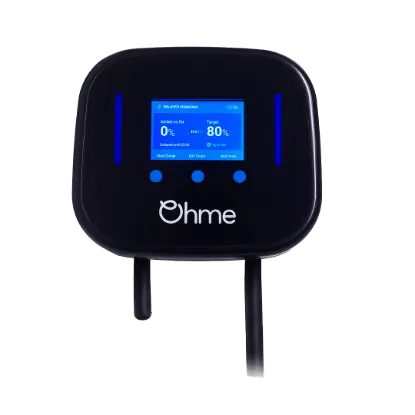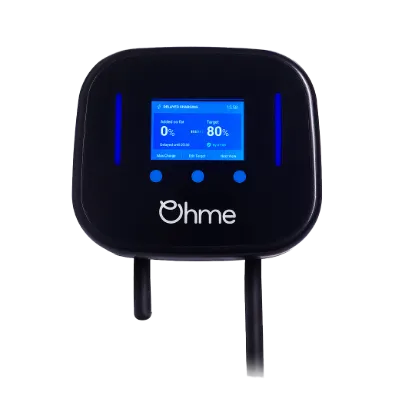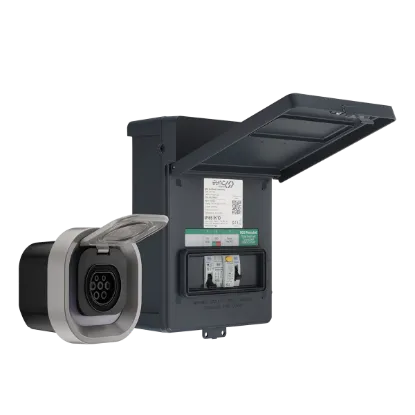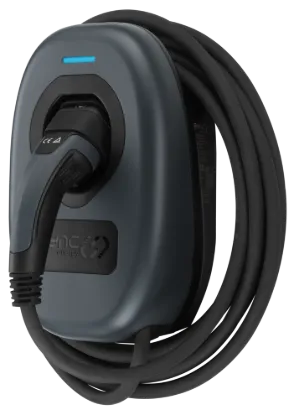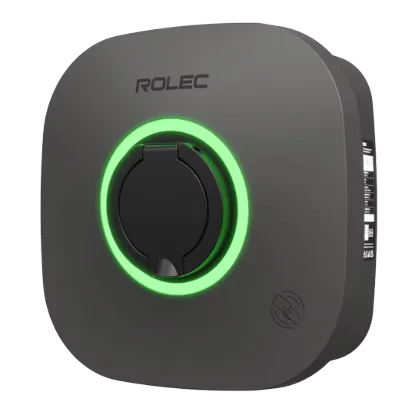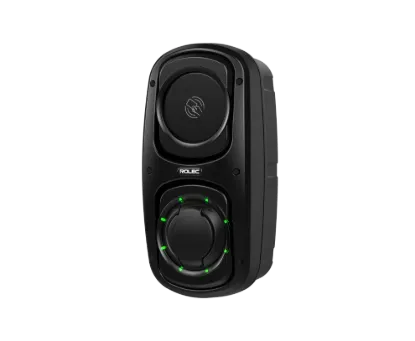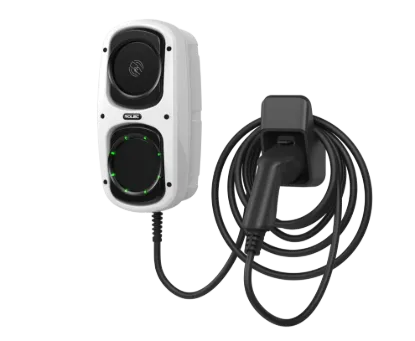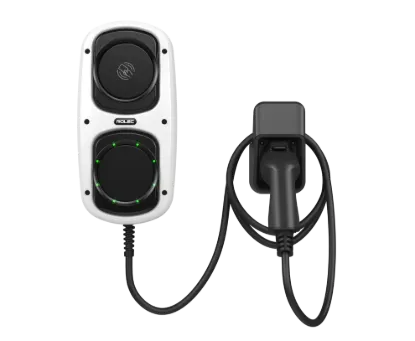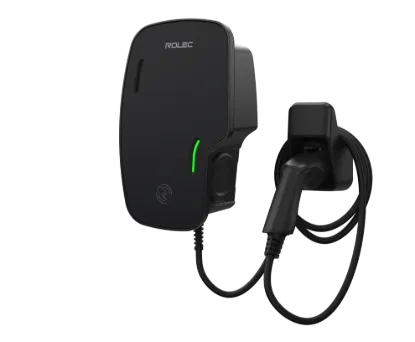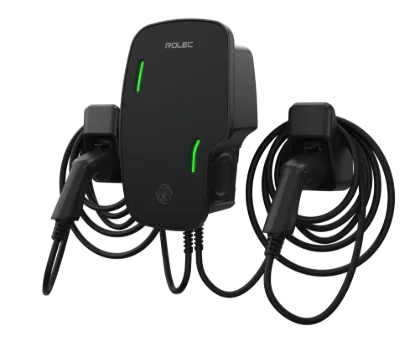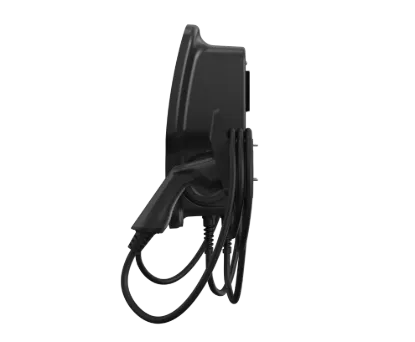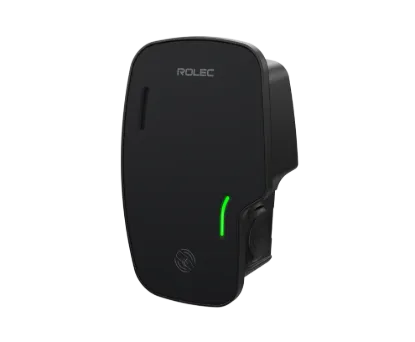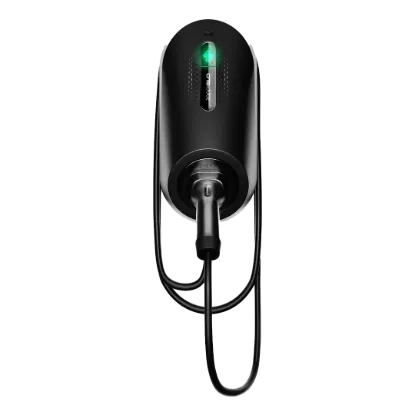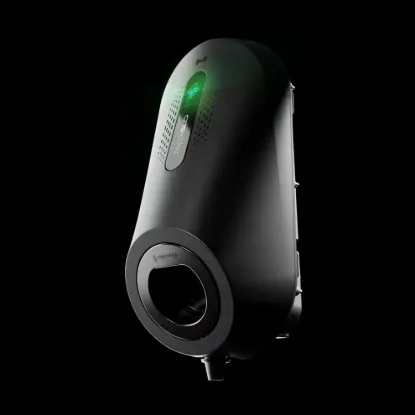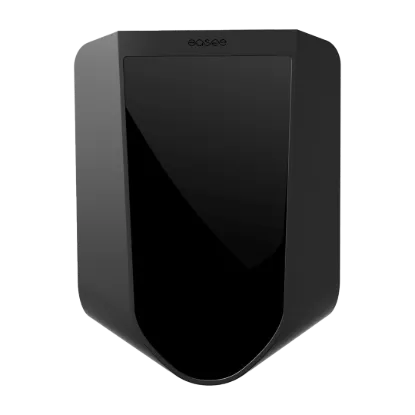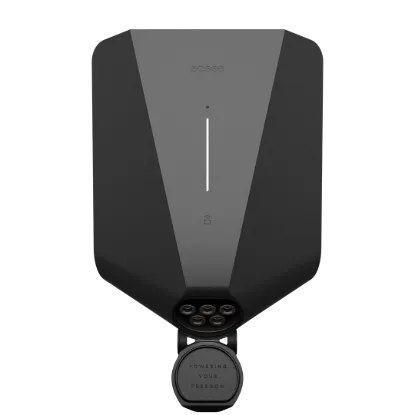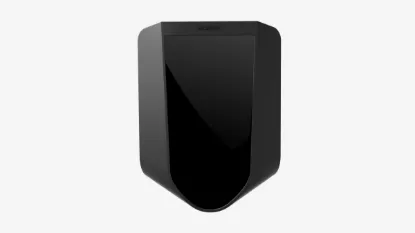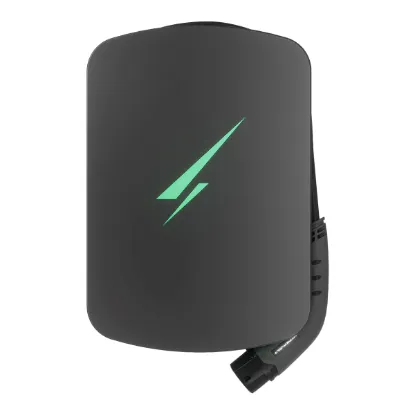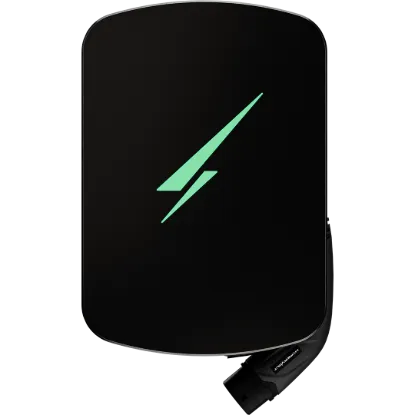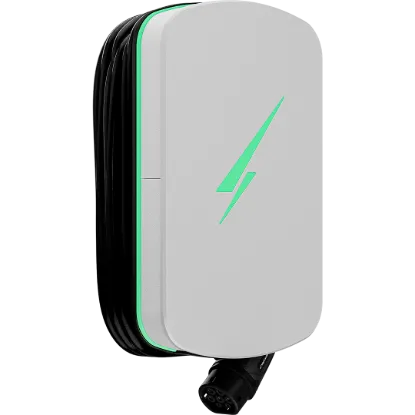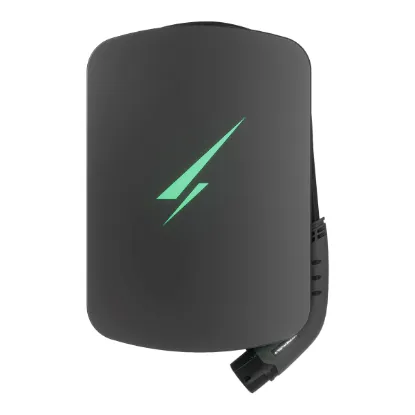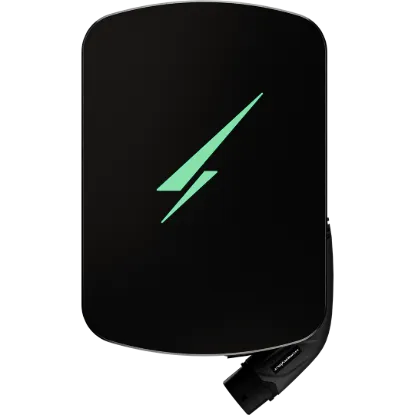







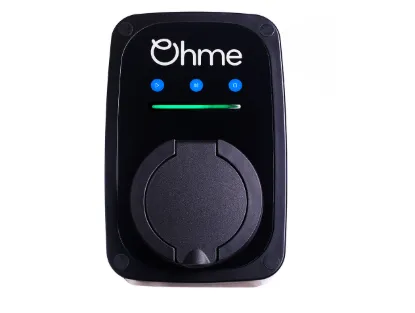
Ohme ePod 7.4kW Untethered Type 2 EV Charger Black
£415.83
ex VAT
£499.00 inc VAT
Compare home and commercial EV charger options by cable type, solar, smart tariffs and control needs.
"Ordered a Hypervolt charger, power cable and a fuse box. Waited a week to be told that both the cable and fuse box were out of stock. They upgraded the cable from 4mm to 6mm at no extra cost as the 6mm was in stock, however the cable supplied was Prysmian rather than the Doncaster Cables EV Ultra that was actually advertised on the website. The fuse box I found cheaper elsewhere so they cancelled and refunded that part of the order. Easy and helpful to deal with but could be better on the communication and keeping the stock situation up to date on the website."
"I ordered the Ohme Home Pro 5m Smart EV Charger from Evergy as they offered the best price online. From the initial order to the product arriving (within a few days) it was effortless. Thank you."
"I’ve been using the Hypervolt Home 3 Pro for three months now without a single issue. The build quality is premium, the app is intuitive, and it has been 100% reliable. If you want a 'set and forget' charger that looks great and works perfectly, this is it."
Explore smart home EV chargers for reliable everyday electric car charging, including tethered and untethered 7kW chargers from leading brands such as Ohme, Easee, Hypervolt, myenergi, Rolec, Andersen, evec, Aurora and Sync Energy.
Whether you want a neat socketed charger, the convenience of a fixed Type 2 cable, solar-aware charging, app control or load management for a domestic installation, this range is built to help UK drivers find the right charger for their home.
Most UK homes use a 7kW single-phase EV charger, which is suitable for overnight charging and regular day-to-day use. A 7kW charger is usually the best fit for driveways, garages and domestic parking spaces where the vehicle can be left charging for several hours.
The main choice is usually between a tethered charger and an untethered charger. Tethered chargers have a fixed Type 2 cable attached, making daily charging quick and convenient. Untethered chargers have a Type 2 socket, giving a cleaner look on the wall and allowing you to use your own charging cable.
Many home EV chargers now include app control, charging schedules, energy monitoring and smart charging features. This can help drivers charge during cheaper off-peak windows where their vehicle, charger and energy supplier setup supports it.
Some chargers also support solar-aware charging, dynamic load management, CT clamp monitoring or built-in PEN fault protection. These features vary by model, so always check the product specification and installation requirements before ordering.
Our home charger range includes compact socketed chargers such as the Easee One and Ohme ePod, tethered chargers such as the Ohme Home Pro and Hypervolt Home 3 Pro, solar-aware options such as myenergi zappi, and design-led chargers from Andersen.
For commercial, workplace or three-phase projects, view our commercial EV chargers.
LAMPS can also help customers understand installation pricing. Use our EV charger installation price guide to estimate supply and installation costs, cable run options and common installation requirements.
You can also browse EV charging cables and accessories if you need Type 2 cables, installation accessories or supporting products for a charger setup.
If you are comparing home EV chargers and are unsure which model is best for your car, property, solar setup or charging routine, contact LAMPS for practical product support before ordering.
A home EV charger is a dedicated wall-mounted charging unit designed to safely deliver electricity from your property to your electric vehicle. Unlike a standard 3-pin socket, which is slow and not intended for regular EV charging, a home charger provides consistent power, built-in safety protection, and significantly faster charging times.
Home EV chargers are installed on an exterior wall, in a garage, or on a dedicated mounting post. They connect directly to your consumer unit and communicate with your vehicle to regulate charging safely. For most UK households, a 7kW charger is the standard choice.
Installing a home EV charger offers both convenience and long-term savings. Charging at home allows you to start each day with a full battery, removes reliance on public charging infrastructure, and gives you full control over energy usage.
• Faster charging compared to a 3-pin socket
• Lower running costs using off-peak tariffs
• Improved electrical safety
• Smart scheduling and remote control
• Compatibility with solar and battery systems
The majority of UK homes use a single-phase electricity supply, making a 7kW EV charger the most suitable option. A 7kW charger can typically add between 25 and 30 miles of range per hour, allowing most electric cars to fully recharge overnight.
Higher-powered chargers such as 22kW units require a three-phase electrical supply, which is uncommon in residential properties. These are usually found in commercial buildings or larger developments.
One of the first decisions homeowners face is whether to choose a tethered or untethered EV charger.
A tethered EV charger includes a permanently attached charging cable. This offers maximum convenience, as you simply park and plug in without needing to retrieve a separate cable from your vehicle.
An untethered charger uses a Type 2 socket and requires a separate charging cable. These chargers offer a cleaner appearance and greater flexibility if you own multiple vehicles.
Both options are equally safe and effective — the choice often comes down to appearance and day-to-day convenience.
Most modern home EV chargers are smart chargers, meaning they connect to the internet via WiFi, Ethernet, or mobile data. This allows homeowners to monitor charging sessions, schedule charging times, and track energy usage through a mobile app.
Smart functionality is especially useful when paired with off-peak electricity tariffs, allowing your charger to automatically operate when electricity is cheapest.
Many UK energy suppliers now offer EV-specific tariffs that dramatically reduce charging costs. Chargers compatible with smart tariffs can automatically adjust charging to take advantage of lower overnight rates.
Popular tariff-compatible chargers include models from brands such as Easee, Ohme, and Hypervolt.
If your home has solar panels, choosing a solar-compatible EV charger can significantly increase self-consumption. These chargers can prioritise surplus solar generation and reduce reliance on grid electricity.
Solar charging is particularly popular with products such as the myenergi Zappi, which offers dedicated eco charging modes designed around renewable energy.
When installing a home EV charger, several practical factors should be considered:
• Distance between charger and consumer unit
• Preferred mounting position
• Cable routing and external walls
• WiFi or mobile signal strength
• Future vehicle upgrades
A qualified electrician will assess these factors to ensure a safe and compliant installation.
For homeowners who prioritise aesthetics, premium EV chargers offer high-end finishes and customisation options. Brands such as Andersen provide concealed cables and colour-matched panels designed to complement modern homes.
While functionality remains the same, design-led chargers can blend seamlessly into residential environments.
The best home EV charger depends on your vehicle, energy tariff, property type, and future plans. Factors such as smart control, solar integration, and cable configuration should all be considered.
If you’re unsure which charger is right for you, Evergy’s renewables specialists can help guide you through the options and recommend a solution tailored to your setup.
Evergy is part of LAMPS, an independent electrical wholesaler with strong relationships across the UK renewables sector. We supply trusted, fully compliant EV charging equipment with expert support before and after purchase.
Our team works closely with homeowners, electricians, and developers to ensure every charger supplied is suitable for the installation and future-ready.
While possible for occasional use, 3-pin charging is not recommended for regular charging due to slow speeds and increased electrical risk.
Most vehicles will fully charge overnight using a 7kW home EV charger, depending on battery size.
Most modern EVs use a Type 2 connection, making compatibility straightforward across the UK market.
Smart chargers are now standard in the UK and provide better efficiency, tariff compatibility, and future flexibility.
Pick another charger to compare — no need to leave this page.
Browse all chargersSelect 2–4 chargers to compare.
Compare chargers